



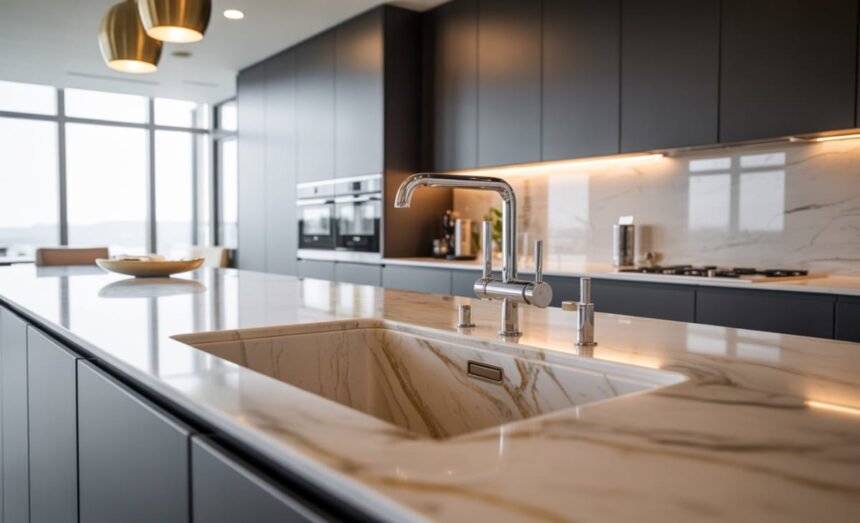
The Kitchen Has Become More Than a Place to Cook
For previous generations, the kitchen was often viewed as a practical workspace hidden away from the rest of the home. Today, it has become something entirely different. It serves as a social hub, a workspace, an entertainment area, and often the most photographed room in the house.
As a result, millennials are approaching kitchen design with a different mindset. Rather than chasing short-lived trends, many are investing in features that combine visual impact with long-term functionality.
The goal is simple: create a space that feels good to use every day while adding lasting value to the home.
Why Quality Materials Are Winning Over Fast Trends
Social media has made interior inspiration more accessible than ever. Every day, homeowners are exposed to hundreds of beautifully designed kitchens from around the world.
Yet despite constantly changing trends, one preference continues to stand out: authenticity.
Natural materials such as wood, stone, and ceramic finishes have become increasingly desirable because they bring texture, warmth, and character into a space. This growing appreciation for craftsmanship is one reason more homeowners are considering a stone kitchen sink as a centrepiece rather than simply another functional fixture.
Unlike trend-driven accessories that can feel dated after a few years, stone introduces a sense of permanence that remains relevant regardless of changing styles.
The Rise of Quiet Luxury in Interior Design
One of the biggest design movements influencing modern homes is the idea of quiet luxury.
Instead of focusing on flashy features or excessive decoration, homeowners are choosing understated elements that communicate quality through materials, construction, and thoughtful design.
This approach has transformed kitchen planning. Rather than filling spaces with decorative details, many designers now focus on fewer, better features that create a stronger visual impact.
A carefully selected sink, countertop, or statement island often contributes more to the overall feel of a kitchen than multiple smaller upgrades combined.
Why Functionality Has Become a Luxury Feature
Luxury no longer means sacrificing practicality.
Millennials, in particular, tend to prioritise features that improve daily life rather than simply looking impressive in photographs.
They want kitchens that work hard while still feeling beautiful.
That means paying attention to:
- Durability
- Ease of maintenance
- Storage efficiency
- Workflow
- Long-term usability
The most successful kitchen designs balance aesthetics with everyday performance.
Creating Spaces That Encourage Gathering
Modern homes are increasingly designed around connection.
Open-plan layouts have made kitchens more visible and more important than ever before. Family members gather there throughout the day, guests naturally gravitate toward them during social occasions, and many people now use kitchen islands as informal workstations.
Because the kitchen plays such a central role, homeowners are becoming more intentional about every design decision.
The focus is shifting away from purely decorative choices and toward creating an environment that feels welcoming and comfortable.
Why Natural Texture Matters More Than Colour
For years, colour dominated interior design conversations. Today, texture is taking centre stage.
Designers are increasingly layering materials to create depth and interest without relying on bold colour schemes.
Stone, timber, brushed metals, and matte finishes all contribute to a richer visual experience. These materials add character while maintaining a calm, sophisticated appearance.
This is one reason natural stone continues attracting attention across luxury kitchen projects. It introduces texture and variation that cannot be replicated by synthetic alternatives.
The Growing Demand for Timeless Design
Many homeowners have grown tired of constantly updating their spaces to keep up with trends.
Instead, they are looking for design decisions that will still feel relevant years from now.
Timeless kitchens typically share several characteristics:
- Natural materials
- Neutral palettes
- Quality craftsmanship
- Practical layouts
- Strong focal points
These elements create spaces that evolve gracefully rather than becoming outdated.
Why Sustainability Influences Design Choices
Millennial homeowners are often more conscious of sustainability than previous generations.
This doesn’t just affect the products they buy; it also influences renovation decisions.
Many people now prefer investing in durable materials that last for decades instead of replacing lower-quality alternatives every few years.
Long-lasting design choices reduce waste, improve value for money, and create homes that feel more intentional overall.
The Emotional Impact of a Well-Designed Kitchen
Good design affects more than appearance.
A well-planned kitchen can influence how people feel within their home. It can reduce stress, improve organisation, encourage cooking, and create a more enjoyable daily routine.
These benefits are often difficult to measure, but they contribute significantly to overall satisfaction with a living space.
The best kitchens don’t just look beautiful—they support the way people actually live.
Investing in Features That Add Long-Term Value
Homeowners are becoming increasingly selective about where they spend renovation budgets.
Rather than making dozens of small upgrades, many are choosing a handful of high-impact improvements that offer both practical and visual benefits.
Features built from premium materials tend to deliver value in multiple ways:
- Better durability
- Stronger visual appeal
- Greater buyer interest
- Improved daily usability
- Longer lifespan
These qualities help justify the investment over time.
Looking Beyond Trends
The most successful homes rarely follow every trend.
Instead, they reflect thoughtful decisions based on lifestyle, functionality, and personal taste.
While trends may provide inspiration, lasting design comes from selecting features that continue working year after year.
Natural materials, practical layouts, and quality craftsmanship consistently outperform short-term design fads.
Final Thoughts
The modern kitchen has become one of the most important spaces in the home, influencing everything from daily routines to property value.
As millennials continue investing in thoughtful, design-led interiors, the focus is shifting toward quality, longevity, and materials that age beautifully.
The result is a new definition of luxury—one that prioritises comfort, functionality, and authentic design over temporary trends. And in that conversation, carefully chosen natural features remain some of the most valuable investments a homeowner can make.