



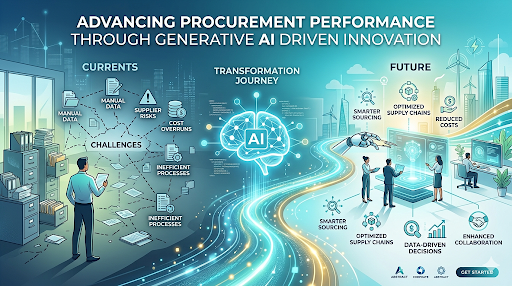
Procurement functions are rapidly evolving as organizations seek greater efficiency, stronger supplier collaboration, and improved cost management. Traditional procurement processes often involve manual workflows, fragmented data, and time-intensive decision-making, which can limit operational agility and strategic value. As businesses continue to accelerate digital transformation initiatives, generative artificial intelligence is emerging as a powerful tool for modern procurement operations.
Generative AI is helping procurement leaders automate repetitive tasks, improve spend analysis, strengthen sourcing strategies, and generate actionable insights from complex datasets. By combining advanced machine learning, natural language processing, and predictive analytics, procurement teams can make faster and more informed decisions while improving operational performance.
Organizations across industries are increasingly exploring how intelligent procurement technologies can streamline workflows, optimize supplier management, and support enterprisewide transformation efforts.
Overview of Generative AI in Procurement
Generative AI in procurement refers to the use of artificial intelligence technologies that generate insights, recommendations, summaries, and content from large volumes of procurement and supply chain data. Unlike conventional automation tools that follow predefined rules, generative AI systems can interpret patterns, analyze unstructured information, and create context-aware outputs that support procurement decision-making.
Modern procurement operations generate substantial amounts of data across sourcing, contract management, supplier communications, spend analysis, and risk monitoring. Generative AI solutions help procurement teams transform this data into actionable intelligence, improving operational efficiency and strategic planning.
Organizations adopting generative AI in procurement initiatives are using these technologies to improve sourcing strategies, automate procurement workflows, and strengthen supplier collaboration. These intelligent systems also support procurement leaders in identifying cost-saving opportunities and mitigating supply chain risks.
1. Core technologies powering generative AI in procurement
Several advanced technologies enhance the effectiveness of generative AI solutions in procurement environments. These include:
- Large language models
- Machine learning algorithms
- Natural language processing
- Predictive analytics
- Intelligent automation
- Data visualization and reporting tools
Together, these technologies enable procurement systems to process large datasets, analyze trends, and generate recommendations that improve procurement performance.
2. How generative AI differs from traditional procurement automation
Traditional procurement automation focuses primarily on repetitive transactional tasks such as purchase order processing and invoice approvals. Generative AI goes beyond task automation by generating insights, summarizing information, and supporting strategic decision-making.
For example, generative AI can create supplier performance summaries, draft procurement reports, identify sourcing opportunities, and recommend contract negotiation strategies based on historical data and market conditions.
3. Growing importance of AI-driven procurement strategies
Procurement leaders are under increasing pressure to reduce costs, improve supply chain resilience, and support enterprise sustainability goals. AI-driven procurement strategies help organizations improve visibility into supplier performance, market trends, and operational risks.
These technologies also enable procurement teams to become more proactive and strategic while improving collaboration across business units.
Benefits of Generative AI in Procurement
Generative AI delivers a wide range of operational and strategic benefits for procurement organizations seeking to modernize processes and improve efficiency.
1. Improved procurement efficiency
Generative AI significantly reduces the time required for routine procurement tasks by automating document creation, data analysis, and supplier communications. Procurement professionals can spend less time on administrative activities and focus more on strategic sourcing initiatives. Automation also improves workflow consistency and reduces manual processing errors.
2. Enhanced spend analysis and visibility
Procurement teams often struggle with fragmented spend data spread across multiple systems. Generative AI solutions can consolidate and analyze procurement data to identify spending patterns, cost-saving opportunities, and supplier performance trends. Improved spend visibility helps organizations optimize procurement strategies and strengthen financial control.
3. Faster and smarter sourcing decisions
AI-powered procurement tools support sourcing decisions by analyzing supplier data, market intelligence, and historical procurement trends. These insights help procurement teams identify the most suitable suppliers and negotiate more effectively. This leads to improved supplier selection, reduced sourcing risks, and stronger procurement outcomes.
4. Better supplier relationship management
Supplier relationships are critical to procurement success. Generative AI can analyze supplier performance metrics, communication histories, and contract terms to identify collaboration opportunities and potential risks. Organizations can use these insights to improve supplier engagement, strengthen partnerships, and enhance supply chain resilience.
5. Stronger contract management
Contract management processes often involve large volumes of complex documentation. Generative AI can review contracts, summarize key clauses, identify compliance risks, and generate contract recommendations. This improves contract visibility while reducing legal and operational risks.
6. Enhanced risk management and compliance
Procurement organizations must manage a wide range of operational, financial, and regulatory risks. Generative AI helps organizations monitor supplier risks, detect anomalies, and identify compliance issues more efficiently. These capabilities support proactive risk mitigation and stronger procurement governance.
Use Cases of Generative AI in Procurement
Generative AI applications are expanding rapidly across procurement operations and supply chain management functions.
1. Intelligent sourcing and supplier evaluation
AI-driven sourcing tools can evaluate supplier capabilities, analyze pricing trends, and generate supplier comparison reports. Procurement teams can use these insights to identify strategic sourcing opportunities and improve vendor selection processes. This helps organizations make more informed procurement decisions while reducing sourcing cycle times.
2. Automated procurement documentation
Generative AI can automate the creation of procurement documents, including requests for proposals, supplier communications, contract summaries, and negotiation reports. This reduces administrative burdens while improving document consistency and accuracy.
3. Spend categorization and analysis
Organizations often face challenges with inconsistent spend classification across procurement systems. Generative AI can automatically categorize procurement spend data and identify purchasing trends. Improved spend analysis helps businesses optimize procurement strategies and uncover cost reduction opportunities.
4. Supplier risk monitoring
Supply chain disruptions and vendor risks continue to impact global procurement operations. AI-powered monitoring tools can analyze supplier performance data, financial indicators, and external market conditions to identify potential risks. This enables procurement teams to respond proactively to supplier-related challenges.
5. Contract intelligence and compliance management
Generative AI solutions can review procurement contracts, extract key terms, and identify compliance requirements. Intelligent contract analysis improves visibility into obligations, renewal timelines, and legal risks. Organizations can also improve audit readiness and regulatory compliance management.
6. Procurement knowledge management
Procurement teams often rely on large volumes of institutional knowledge, policies, and supplier information. Generative AI can organize and summarize procurement knowledge to improve accessibility and decision-making. This supports faster onboarding and stronger collaboration across procurement functions.
Organizations seeking broader digital transformation support are also exploring AI consulting services to help identify high-value AI opportunities and accelerate procurement modernization initiatives.
Why Choose The Hackett Group® for Implementing Generative AI In Procurement?
Organizations implementing AI-driven procurement strategies require experienced partners that understand procurement transformation, operational benchmarking, and digital innovation. The Hackett Group® is widely recognized for its research-driven insights and expertise in enterprise performance improvement.
1. Extensive procurement benchmarking expertise
The Hackett Group® provides organizations with access to comprehensive procurement benchmarking data gathered from leading global enterprises. These insights help businesses identify operational gaps, improve procurement efficiency, and adopt best practices. Benchmarking capabilities also support more informed procurement transformation strategies.
2. Deep expertise in procurement transformation
Modern procurement transformation requires alignment between technology, processes, and organizational strategy. The Hackett Group® supports organizations through end-to-end procurement modernization initiatives focused on operational excellence and digital enablement. Its expertise spans sourcing optimization, supplier management, procurement analytics, and intelligent automation.
3. Advanced AI-enabled procurement intelligence
The Hackett AI XPLR™ platform and AskHackett™ provide organizations with AI-powered insights that support procurement decision-making, operational analysis, and business performance improvement. These capabilities help procurement teams accelerate digital transformation efforts while improving access to actionable intelligence.
4. Focus on measurable business value
Successful AI implementation requires measurable and sustainable business outcomes. The Hackett Group® emphasizes practical transformation strategies that improve procurement efficiency, cost management, and supply chain performance. This results-oriented approach helps organizations maximize the value of their AI investments while improving long-term operational agility.
Conclusion
Generative AI is transforming procurement operations by improving efficiency, strengthening supplier management, and enabling smarter decision-making. As procurement organizations continue to face growing demands for agility, cost optimization, and risk management, AI-driven technologies are becoming increasingly important for long-term business success.
From intelligent sourcing and contract management to spend analysis and supplier risk monitoring, generative AI enables procurement teams to operate more strategically and efficiently. These technologies help organizations reduce manual workloads, improve visibility into procurement performance, and support enterprise-wide digital transformation initiatives.
Businesses that invest in generative AI capabilities today will be better positioned to enhance procurement resilience, improve operational performance, and adapt to evolving market conditions.