



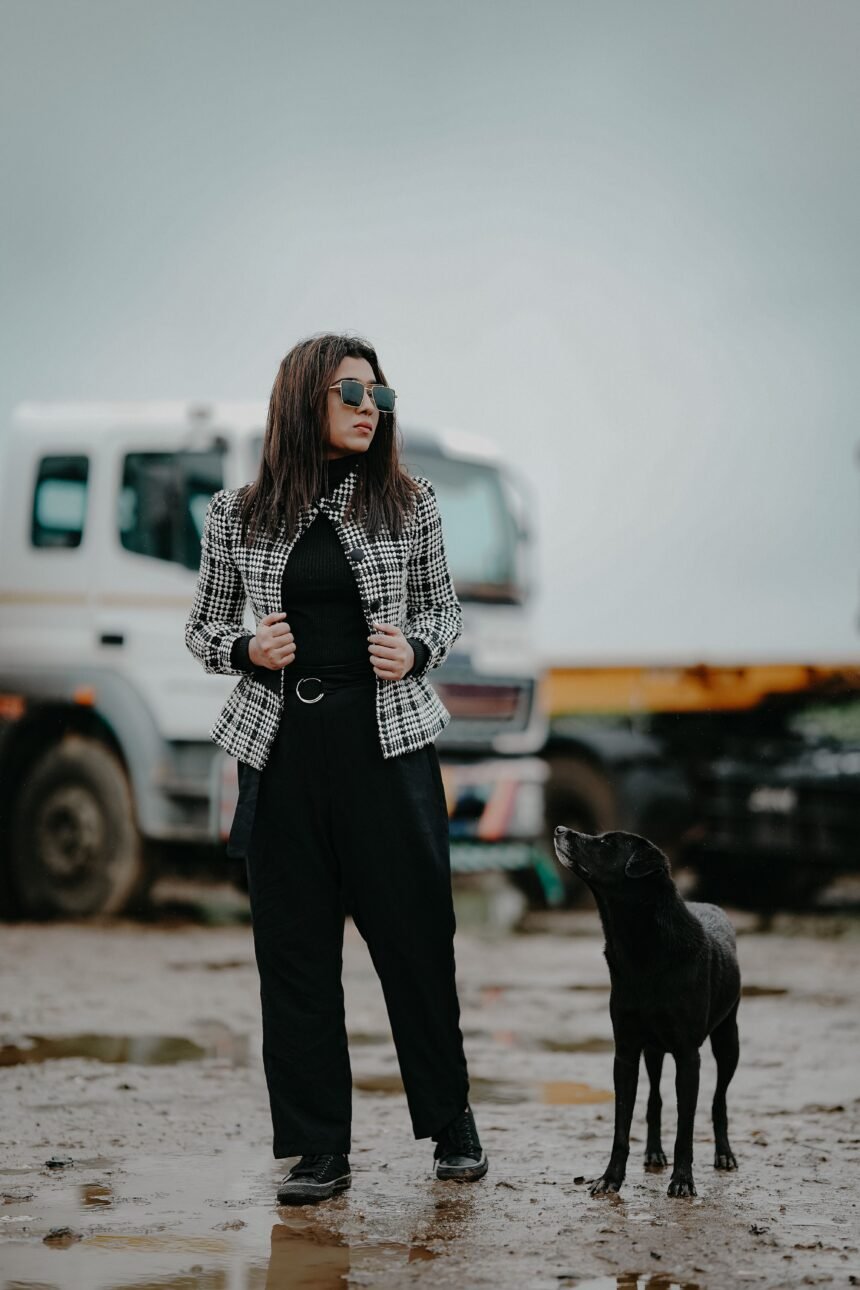
Ever notice how the most stylish celebrities never look like they spent hours getting dressed? There is a trick behind that effortless look, and it has nothing to do with an unlimited clothing budget.
Paparazzi shots tell the real story better than red carpet photos ever could. Airport looks, coffee runs, and casual outings reveal what famous people actually reach for day to day.
The pattern is almost always the same. One statement piece, surrounded by simple, well-made basics that do not compete for attention.
Plenty of celebrities have been spotted leaning on exactly that kind of foundation, mixing high-end statement pieces with things that feel far more attainable. More than one off-duty airport look has quietly featured Free Assembly’s everyday basics.
The Secret Is in What They Don’t Wear
Stylists talk about this constantly in interviews. The goal is never to wear every trend at once.
Instead, the trick is picking one interesting piece and letting everything else stay quiet. A bold coat, a standout bag, or a single graphic tee is enough to carry a whole outfit.
That quiet supporting cast usually comes from wardrobe staples that never go out of style. Think plain tees, well-cut trousers, and jumpers in colours that go with everything, the exact kind of pieces that let a single statement item do all the talking.
That contrast is what makes an outfit feel intentional instead of thrown together. Simple pieces let the standout item actually stand out, whether that item is a designer coat or a thrifted vintage find.
Fashion editors talk about this balance constantly, but it rarely gets explained in plain terms. It really just comes down to giving the eye one thing to focus on at a time.
Where the Streetwear Influence Comes In
Pop culture and streetwear have been tangled together for years now. Musicians and actors alike keep showing up in pieces that started in niche online drop culture.
This is not new, but it has accelerated. Social media turned small, limited-run labels into overnight talking points.
Fans notice fast, too. An off-beat streetwear drop can circulate online within hours of a celebrity being photographed wearing it. Demand often follows almost immediately, sometimes selling out before a story even breaks in a major outlet.
Hidden Cult has built a following in exactly this space, mixing bold graphics with limited releases that feel more like a discovery than a mainstream purchase. That scarcity is part of the appeal.
Wearing something fewer people recognise signals a different kind of confidence than wearing an obvious luxury logo. It says you are paying attention to something beyond what everyone else already knows about.
Why Fans Track These Outfits So Closely
Fan accounts dedicated to spotting exactly what a celebrity wore have become their own corner of the internet. Some accounts identify an outfit within minutes of a photo going live.
That level of attention used to be reserved for red carpet gowns and designer handbags. Now it extends to trainers, hoodies, and small-label streetwear just as often.
Part of the appeal is the hunt itself. Finding an obscure brand before it blows up feels like being early to something, the same thrill collectors chase with limited sneaker drops or vinyl reissues.
Brands have noticed this shift too. Smaller labels increasingly design with that kind of visibility in mind, knowing a single photo can outperform an entire ad campaign.
How to Borrow the Formula Without the Celebrity Budget
You do not need a stylist or a five-figure wardrobe to copy this approach. The formula works at any price point.
Start with a handful of genuinely well-made basics. These should fit well, hold their shape after washing, and work with almost anything else you own.
From there, add one piece that feels a little different. It could be a bold colour, an interesting cut, or a print you would not normally reach for.
Resist the urge to add a second statement piece to the same outfit. Two loud items competing for attention usually cancels out the effect you are going for.
Why This Approach Photographs So Well
There is a reason this formula shows up so often in paparazzi shots specifically. Simple outfits photograph cleanly, without visual clutter pulling focus away from the person wearing them.
A single interesting piece gives photographers, and later, headline writers, something specific to mention. That is often exactly how a look ends up circulating online in the first place.
Celebrities and their teams know this. Even seemingly casual outfits are frequently far more deliberate than they appear.
What This Means for Your Own Wardrobe
None of this requires copying a specific celebrity outfit piece for piece. That approach almost always looks like a costume rather than a style.
Instead, borrow the underlying logic. Build a base of things that fit well and wash well, then rotate in one interesting piece at a time.
Keep receipts, literally, on the basics you actually reach for often. If a plain tee gets worn every week, replace it with another one from the same source instead of experimenting with something new.
Save the experimenting for the pieces that do not need to work every single day. That is where a bit of risk pays off without derailing your whole wardrobe.
The Bigger Shift Behind the Trend
What is really happening here is bigger than any one outfit. Fashion has quietly shifted away from head-to-toe designer looks and toward smart mixing.
People, famous or not, are more interested in outfits that feel personal than outfits that feel expensive. A closet built on solid basics with the occasional standout piece reads as more authentic than one built entirely on logos.
That shift says something about where style is heading generally. Individuality is becoming more valuable than obvious price tags, and that is a trend worth paying attention to well beyond the red carpet.
The next time an outfit photo goes viral, look past the headline item. The real story is usually in the quiet pieces holding the whole thing together, and that is a lesson that reaches far past celebrity culture into how anyone gets dressed.