



Introduction: The Growing Demand for Flexible LED Lighting
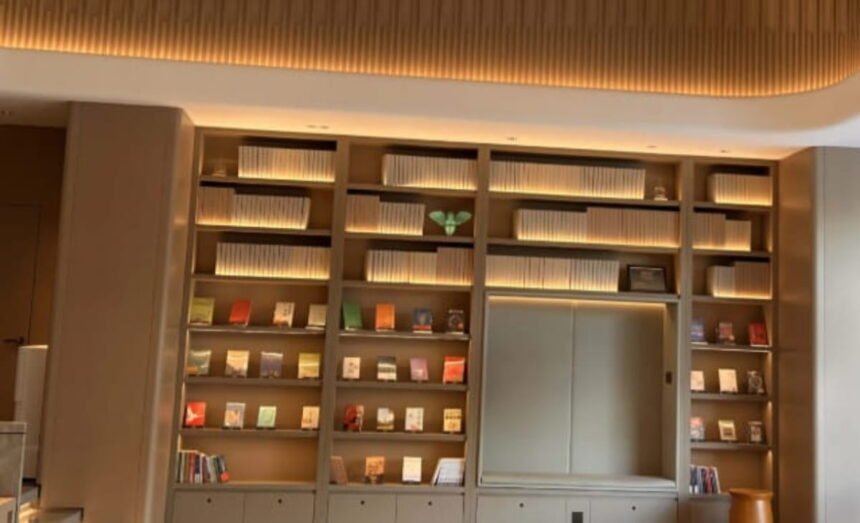
A carefully positioned line of light can transform a simple ceiling, enhance a retail display, or give an architectural feature a distinctive appearance. LED strip lighting has become a practical choice because it combines flexibility, compact construction, and adaptable illumination. Behind these products, manufacturing processes determine consistency, durability, and performance across different applications. Understanding how customization, component selection, and production quality influence the final product helps businesses make informed purchasing decisions. This article explores the role of specialized LED strip manufacturing and the factors that matter when selecting lighting solutions for residential, commercial, and industrial projects.
Understanding LED Strip Manufacturing
LED strip production involves assembling light-emitting diodes onto a flexible printed circuit board, followed by electrical connections, testing, and packaging. Depending on the intended application, products may differ in length, width, color temperature, brightness, and protection rating. An experienced LED strip OEM manufacturer can develop products according to customer specifications, helping distributors and businesses meet particular market requirements. Manufacturing quality influences not only illumination but also electrical stability and expected service life. Buyers should therefore examine product documentation, construction materials, and testing procedures rather than relying exclusively on appearance or advertised performance when comparing different lighting options.
Customization for Different Applications
Lighting projects rarely share exactly the same requirements. A retail display may need narrow strips with consistent brightness, while architectural installations may require specific color temperatures, custom lengths, or compatible dimming systems. Custom manufacturing makes it possible to adapt product specifications to these practical needs. A capable LED strip OEM manufacturer can coordinate design requirements, branding, packaging, and technical configurations according to an agreed project scope. This flexibility is useful for lighting distributors, electrical contractors, interior designers, and businesses developing private-label products. Clear communication about operating conditions and performance expectations helps prevent specification errors before production begins.
Understanding LED Density and Light Distribution
The number of LEDs installed along a strip affects how light is distributed across a surface. Higher LED density can create a more continuous appearance, particularly when strips are installed inside shallow channels or beneath diffusers. However, the final effect also depends on LED spacing, optical design, installation distance, and the brightness of individual diodes. One relevant product specification is 3528 LED light strip LED QTY: 300pcs LED/5meters, indicating 300 LEDs across a five-meter strip. Buyers should evaluate this density alongside power consumption, strip dimensions, and intended use to determine whether the product can deliver the required illumination.
Production Quality and Component Selection
Consistent manufacturing depends on the quality of the circuit board, LED chips, resistors, solder joints, connectors, and protective materials. Variations in these components can affect brightness, color consistency, and reliability during extended operation. A professional LED tape light factory should maintain suitable production controls and inspect finished products against defined specifications. Testing may include electrical checks, visual inspection, and verification of operating performance. For buyers ordering large quantities, consistency between production batches is particularly important because noticeable differences can affect an entire installation. Reviewing samples and technical documents before placing a substantial order can help establish suitable quality expectations.
Energy Efficiency and Thermal Management
LED strips can provide effective illumination with relatively low electricity consumption, but their performance depends on electrical design and operating conditions. Appropriate power supplies, correct voltage, and suitable heat dissipation all contribute to reliable operation. Excessive heat may reduce component longevity, especially when strips are installed in enclosed spaces without sufficient ventilation. A dependable LED tape light factory considers thermal performance and electrical compatibility during product development. Buyers should review wattage, brightness, operating temperature, and installation guidance before choosing a strip. Matching these characteristics to the application can help control energy consumption while maintaining the required lighting output over time.
Waterproofing and Environmental Requirements
The installation environment plays a major role in determining which LED strip design is suitable. Indoor decorative applications may require basic protection, whereas outdoor signage, kitchens, and moisture-prone areas can require additional resistance to dust and water. Protective coatings, silicone coverings, and suitable enclosures can help shield components when properly designed for the intended conditions. However, a waterproof designation does not automatically make every installation suitable for immersion or severe weather. Buyers should check the product’s stated ingress protection rating and follow installation instructions carefully. Correct environmental matching helps prevent moisture-related damage and supports more dependable lighting performance.
Choosing a Suitable Manufacturing Partner
Selecting a manufacturing partner involves evaluating technical expertise, communication, customization options, production capacity, and delivery expectations. Businesses should clarify minimum order quantities, sample availability, quality requirements, warranty conditions, and packaging specifications before confirming an order. An established LED strip OEM manufacturer may also offer options for private labeling or product configurations designed for particular markets. Price remains an important factor, but it should be assessed alongside product consistency and technical support. A transparent supplier relationship can simplify future orders, reduce misunderstandings, and help distributors and contractors maintain dependable standards across multiple lighting projects.
Conclusion
LED strip manufacturing combines component selection, production controls, customization, and performance testing to create lighting products for diverse applications. Understanding LED density, thermal management, environmental protection, and electrical compatibility helps buyers choose suitable solutions for their projects. Businesses exploring LED lighting options can visit dekingled.com to review products and identify specifications relevant to their requirements. Comparing technical information, examining samples, and confirming production expectations before ordering can support better purchasing decisions. With careful product selection and appropriate installation, LED strip lighting can provide flexible illumination, consistent visual results, and dependable performance across residential, commercial, and industrial environments.