



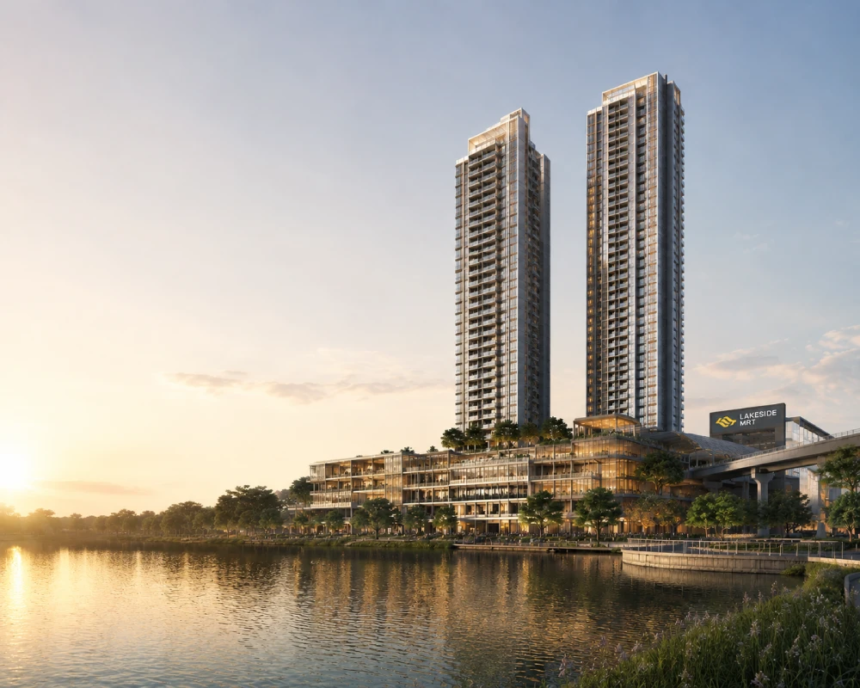
Purchasing a condominium represents one of the most significant financial commitments you will make in your lifetime. To protect this investment, you must thoroughly evaluate the builder behind the project. High-profile developments like the Lucerne Grand demonstrate how a developer’s reputation directly impacts long-term property value and structural integrity. Buying a unit off-plan or even in a newly completed building carries inherent risks, from construction delays to poor finishing quality. By systematically investigating a developer’s history, you can avoid costly mistakes and secure a home that meets your expectations. Here are seven practical tips to help you analyze a condo developer’s track record before signing any contract.
1. Review the Developer’s Portfolio of Completed Projects
The easiest way to predict a developer’s future performance is to examine their past work. Do not rely solely on glossy brochures or digital renderings. Instead, physically visit properties completed by the same firm five to ten years ago. This allows you to see how well the buildings have aged and whether the materials used have stood the test of time. Look closely at the condition of common areas, exterior paint, elevator functionality, and landscaping.
Additionally, digital research can yield valuable insights. For instance, reviewing the Thomson Reserve website provides a clear breakdown of past residential completions, detailing the materials and architectural partnerships utilized in previous builds. Comparing these past promises with the actual physical state of those completed properties reveals the developer’s commitment to quality. If you notice peeling plaster, water leakage, or cracked driveways in multiple older projects, it indicates a pattern of cutting corners during construction. Talking to current residents during your site visits can also provide firsthand accounts of the developer’s customer service and responsiveness to defect claims during the initial warranty period.
2. Assess Financial Stability and Joint Ventures
A developer’s financial health determines whether your condo will actually reach completion. Bankruptcies and stalled construction projects are unfortunate realities in the real estate industry. To safeguard your deposit, research the developer’s financial backing and corporate structure. Publicly listed developers must publish annual reports, which allow you to check their debt-to-equity ratios and cash flow.
For private developers, look at their financial partners and joint-venture alliances. Reputable banks and institutional investors do not fund high-risk or unstable builders. Projects like the Lucerne Grand succeed because they secure backing from leading financial institutions that conduct rigorous due diligence before releasing funds. If a developer struggles to secure traditional bank financing and relies heavily on high-interest private loans, it serves as a major red flag. Furthermore, check if the developer has a history of restructuring or frequent name changes, which can sometimes be an attempt to distance themselves from past financial failures or legal liabilities. Working with a financially solvent builder ensures that construction continues smoothly even during economic downturns, protecting your hard-earned capital and guaranteeing the timely delivery of your new home.
3. Investigate Legal History and Consumer Complaints
Every major developer faces occasional disputes, but a pattern of litigation is a serious warning sign. Search court records and local housing authority databases for active lawsuits against the developer. These disputes often involve breach of contract, severe structural defects, or failure to deliver title deeds on time.
Utilizing Forums and Registry Search
Online forums and homeowner groups are excellent resources for uncovering hidden issues. Look for discussions detailing how the developer handled post-handover defects. Did they resolve issues quickly, or did buyers have to threaten legal action to get basic repairs done? You can also check with local consumer protection agencies to see if the company has a high volume of unresolved complaints. While a few minor complaints are normal for large-scale operations, systemic issues regarding structural integrity, water ingress, or misrepresentation of amenities should prompt you to walk away. A developer that prioritizes its reputation will actively work to resolve disputes amicably rather than letting them escalate into protracted legal battles. Paying attention to these public records helps you avoid developers who abandon their buyers once the final payment is made.
4. Analyze Building Quality Ratings and Certifications
Do not take a developer’s word regarding the quality of their construction. Many regions have independent statutory bodies that rate building quality. For example, search for government-issued quality scores, such as the Building and Construction Authority’s assessment system or local green building certifications. These independent metrics evaluate structural integrity, architectural finishes, and mechanical services.
Checking Official Developer Platforms
You can often find references to these official quality scores on the developer’s own digital portals. Visiting the Thomson Reserve website allows potential buyers to view their historical quality scores and energy-efficiency awards. If a developer consistently achieves above-average scores across multiple projects, you can proceed with greater confidence. Conversely, if a developer refuses to publish their quality ratings or has a history of failing standard inspections, it suggests substandard workmanship. High-quality materials and precise engineering reduce long-term maintenance costs for the condominium association, which keeps your monthly maintenance fees manageable. Always verify that the certificates advertised are current and apply directly to the specific contractor hired for your project, rather than being generic corporate accolades.
5. Evaluate Delivery Timelines and Delay History
Delays in construction can disrupt your living arrangements and cost you thousands of dollars in temporary rental fees. Therefore, you must analyze a developer’s track record for delivering projects on schedule. Look at the estimated completion dates of their past five developments and compare them to the actual dates when buyers received their keys.
While unexpected global supply chain issues can occasionally delay construction, experienced developers factor these risks into their timelines. Premium projects like the Lucerne Grand maintain strict project management schedules to ensure timely delivery without compromising on construction quality. If a developer has a reputation for delaying handovers by several years across multiple projects, it indicates poor project management or cash flow shortages. Read the fine print in the sales and purchase agreement regarding delay compensation. Reputable developers offer fair compensation clauses and communicate transparently about progress, whereas unreliable builders may use legal loopholes to avoid paying penalties for late delivery. Choosing a developer with a proven history of punctuality protects your financial planning and gives you peace of mind as the moving date approaches.

Final Thoughts
Investigating a developer’s track record is the most critical step in your condo-buying journey. By researching completed portfolios, checking financial stability, and verifying quality certifications, you protect your capital from unnecessary risk. Whether you are looking at a premium high-rise development or researching options on the Thomson Reserve website, thorough due diligence ensures that your future home is built to last. Do not let attractive marketing campaigns overshadow the importance of concrete data and historical performance. Taking the time to verify these credentials now will save you from future legal disputes, unexpected maintenance costs, and construction delays, ensuring a smooth transition into your new home.