



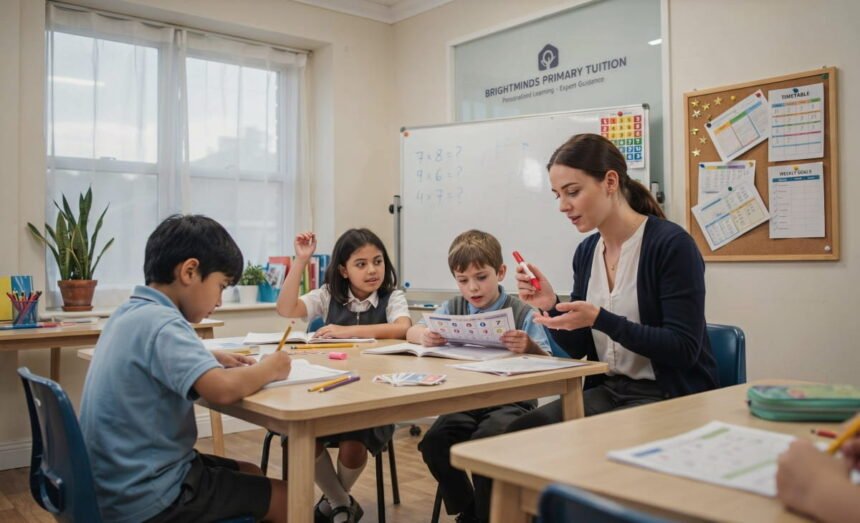
A child’s education does not end when the school bell rings. In fact, some of the most important learning happens outside the classroom, where students reinforce concepts, develop study habits, and build confidence through consistent practice and guidance. For parents in Singapore, supporting this learning journey can feel challenging due to busy schedules and increasing academic expectations.
This is where the best primary tuition centre can play an important role. A well-structured tuition programme not only reinforces what children learn in school but also helps them develop independence, curiosity, and a positive attitude towards learning. However, parental involvement remains equally important in shaping a child’s academic growth.
This article explores practical ways parents can support their child’s learning journey beyond the classroom while working alongside quality tuition support to maximise academic success.
Understanding Learning Beyond the Classroom
Learning is not limited to textbooks or classroom lessons. Children develop important skills through daily experiences, guided practice, and independent exploration.
What Learning Beyond the Classroom Includes
- Homework and revision
- Reading and comprehension practice
- Real-life problem-solving
- Tuition centre learning support
- Parent-child learning activities
When combined effectively, these experiences help children develop stronger academic foundations and life skills.
The Role of Parents in Academic Development
Parents are a child’s first teachers. Their involvement has a lasting impact on motivation, discipline, and confidence.
Why Parental Support Matters
Children who receive consistent support at home often:
- Perform better academically
- Develop stronger study habits
- Show higher motivation
- Build emotional resilience
Parental encouragement helps children view learning as a positive and continuous process.
How the Best Primary Tuition Centre Supports Learning
A strong tuition centre provides structured academic guidance that complements school learning.
Key Benefits of Tuition Support
The best primary tuition centre helps students by:
- Reinforcing key concepts
- Providing structured revision
- Offering targeted practice
- Clarifying difficult topics
- Building exam readiness
Centres such as Mavis Tutorial Centre also focus on structured teaching methods aligned with Singapore’s MOE syllabus, ensuring students receive consistent academic support.
Creating a Supportive Home Learning Environment
A positive home environment plays a major role in a child’s ability to focus and learn effectively.
How to Set Up an Effective Study Space
Parents should ensure:
- A quiet, distraction-free environment
- Proper lighting and seating
- Organised study materials
- Minimal use of mobile devices during study time
A well-organised space encourages better concentration and productivity.
Establishing a Consistent Study Routine
Consistency is key to academic success.
Why Routine Matters
Children thrive when they know what to expect each day. A structured routine helps them:
- Manage time effectively
- Develop discipline
- Avoid last-minute revision
- Balance school and leisure activities
Sample Weekly Study Structure
| Activity | Frequency |
| Homework completion | Daily |
| Reading practice | 3–5 times weekly |
| Tuition classes | 1–2 times weekly |
| Revision sessions | Weekly |
| Practice tests | Weekly |
A consistent routine reduces stress and improves retention.
Encouraging Independent Learning
Independence is an important skill that helps children become confident learners.
How Independence Benefits Students
Independent learners are able to:
- Solve problems on their own
- Think critically
- Manage their time
- Take responsibility for their studies
How Parents Can Encourage Independence
Parents should:
- Allow children to attempt homework first
- Avoid immediately giving answers
- Encourage problem-solving attempts
- Praise effort rather than just results
This helps children develop confidence in their own abilities.
Supporting Homework Without Overhelping
Homework is an important extension of classroom learning.
Common Parental Challenges
Many parents struggle with:
- Knowing how much help to give
- Balancing guidance and independence
- Understanding modern teaching methods
Effective Homework Support Strategies
Parents can:
- Check instructions before starting
- Guide rather than solve problems
- Break down complex questions
- Encourage children to explain their thinking
This ensures learning is reinforced without creating dependency.
Strengthening Reading Habits at Home
Reading is fundamental to success in all subjects.
Benefits of Regular Reading
Children who read regularly:
- Improve vocabulary
- Strengthen comprehension skills
- Enhance critical thinking
- Perform better in English and other subjects
How Parents Can Encourage Reading
- Provide age-appropriate books
- Set daily reading time
- Discuss stories together
- Visit libraries regularly
Reading should be enjoyable, not forced.
Balancing Tuition and Home Learning
While tuition provides structured academic support, home learning reinforces and extends it.
| Tuition Centre Role | Home Learning Role |
| Structured teaching | Practice and reinforcement |
| Concept explanation | Revision and repetition |
| Exam preparation | Habit building |
| Feedback and assessment | Application and review |
Together, they create a complete learning ecosystem.
Managing Academic Pressure in Singapore
Singapore’s education system is known for its high standards, which can sometimes create pressure for students.
Signs of Academic Stress
- Lack of motivation
- Anxiety before tests
- Difficulty concentrating
- Frustration with studies
How Parents Can Help
Parents should:
- Maintain open communication
- Encourage breaks and rest
- Focus on effort, not just results
- Provide emotional support
A balanced approach helps children stay motivated and confident.
Encouraging a Growth Mindset
A growth mindset helps children see challenges as opportunities to learn.
What Is a Growth Mindset?
It is the belief that abilities can improve through effort and practice.
How Parents Can Develop It
- Praise effort instead of intelligence
- Encourage learning from mistakes
- Avoid negative comparisons
- Set realistic goals
Children with a growth mindset tend to perform better academically over time.
The Role of Teachers and Tuition Educators
Teachers and tuition educators play an important role in guiding academic development.
How They Support Students
- Provide structured lessons
- Identify learning gaps
- Offer targeted feedback
- Build exam strategies
At centres like Mavis Tutorial Centre, educators focus on helping students understand concepts deeply while developing strong study habits.
Using Real-Life Learning Opportunities
Learning can also happen through everyday experiences.
Examples of Real-Life Learning
- Cooking (fractions and measurements)
- Shopping (budgeting and calculations)
- Travel (time and distance)
- Games (strategic thinking)
These activities make learning more meaningful and practical.
Communicating Effectively With Children About School
Open communication builds trust and motivation.
Helpful Communication Tips
- Ask about their school day regularly
- Listen without judgement
- Discuss challenges calmly
- Celebrate improvements
Positive communication strengthens the parent-child relationship and supports learning.
Final Thoughts
A child’s academic journey is shaped by both structured learning and consistent support at home. When parents, teachers, and tuition educators work together, children develop stronger understanding, better study habits, and greater confidence in their abilities.
Many families also find that structured tuition programmes provide the additional guidance and reinforcement needed to complement home learning effectively. With the right balance of support, children can develop independence, resilience, and long-term academic success.
Parents looking for structured academic support and holistic learning development can explore programmes at mavistutorial.com, where students receive guided instruction, regular practice, and strategies designed to strengthen both academic performance and independent learning skills.