



At a Glance
A construction site involves far more than the work you can see. Organisation, workforce facilities, material supply, access and everyday planning contribute to how smoothly activities progress. While visitors may notice machinery and structures first, the details behind daily operations often have a greater influence on productivity, safety and consistency throughout the project, from start to finish.
Look Beyond What You First Notice on Site
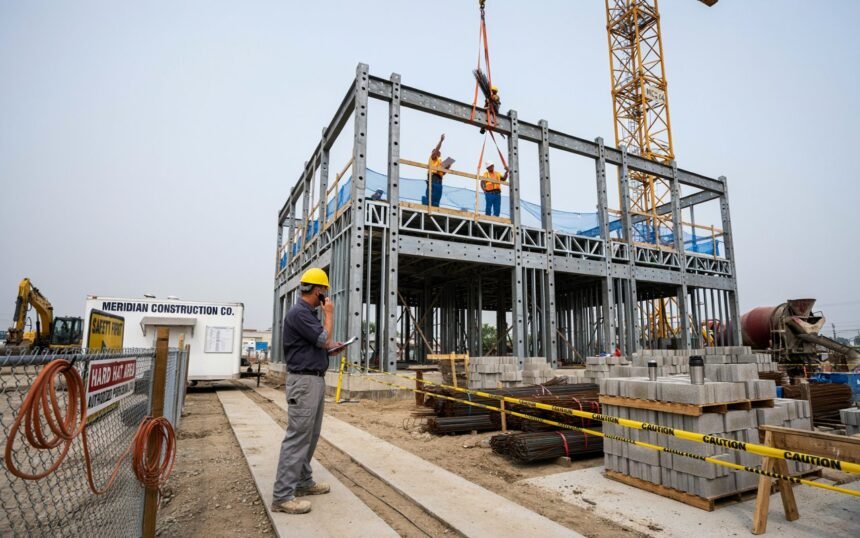
When you arrive at a construction site, certain things immediately attract attention. You notice machinery, active workers, materials and the structure gradually taking shape. However, the most important parts of a successful site are not always obvious. Many practical arrangements work quietly behind the scenes throughout each working day.
How you organise access, support workers and manage supplies matters greatly, as these details affect how easily different activities continue as the project develops. A site may look busy and productive from outside, yet hidden problems can still create unnecessary delays. Looking beyond the obvious helps you understand what keeps construction moving effectively.
The Workforce Facilities Supporting Everything Behind the Scenes
Workers are often the most visible part of any construction project. You see different trades completing tasks across several areas throughout the day. However, their ability to work effectively also depends on nearby facilities. Practical arrangements for breaks, changing and everyday welfare considerably influence their routines.
As workforce numbers increase, these arrangements need to remain appropriate. For example, a welfare unit for 16 people provides a heated canteen, toilet and drying room when a larger team requires regular access to essential facilities. This gives workers a dedicated area away from active construction zones while supporting more organised daily routines.
The location of these facilities also deserves careful consideration. Workers should be able to reach them conveniently without disrupting ongoing activities. Maintaining suitable welfare arrangements throughout the project shows that practical needs remain part of wider site planning.
The Materials You See and the Planning Behind Them
Construction materials are among the first things you notice around the site. Aggregates, timber, steel and other supplies can occupy significant areas before use. However, the presence of materials tells you little about the planning involved. What matters is whether the right quantities arrive when needed.
Poor supply planning can quickly affect activities across the project. Workers may need to wait when materials are unavailable or delayed. Excess materials can also create unnecessary storage issues and obstruct working areas. Careful coordination helps you avoid both situations as construction progresses.
For example, working with reliable building aggregate suppliers helps you get the right sand, gravel, Type 1 or hardcore delivered as each stage needs it. This supports better planning and makes it easier to manage deliveries, storage and availability throughout different construction stages.
How materials are handled after delivery matters just as much. Designated storage areas help keep supplies organised while reducing movement around the site. This creates clearer work areas and makes key materials easier to access.
Access Routes That Keep People and Activities Moving
A site can contain everything needed for construction and still experience delays. Poorly planned access makes it difficult for people and vehicles to move, as delivery drivers, workers and machinery compete for limited space. These issues gradually affect activities throughout the entire working day.
Clear access routes help create more predictable movement around the site. Pedestrians should understand where they can walk without entering unsuitable areas. Vehicles also need enough space to enter, unload and leave safely. Separating different movements where appropriate reduces unnecessary confusion and interruptions.
Access requirements can also change as construction develops, when areas that were initially open become occupied by structures or equipment. Reviewing routes regularly helps you adapt arrangements before they become impractical.
Storage and Housekeeping That Prevent Everyday Disruption
A busy construction site quickly becomes cluttered without clear organisation. Tools, materials and waste may gradually spread beyond designated working areas. At first, these small changes may seem unimportant during demanding periods, but they eventually make the entire site harder to manage.
Good housekeeping starts with clear spaces for key items. Workers should know where materials belong once they arrive on site. Waste also needs regular removal rather than accumulating around active areas. These arrangements keep work areas clear and practical.
Regular checks prevent small issues from becoming permanent problems. When storage areas remain organised, workers spend less time searching for materials and supplies. In the end, a tidier site also makes changing priorities easier to manage.
Communication That Connects Different Parts of the Project
Construction projects involve many people working towards the same objectives. Different trades may complete separate tasks while depending on each other. Without clear communication, changes can easily create confusion across the site. Information must reach the right people at the right time.
Regular discussions help keep everyone aware of current priorities and changes. Project managers can explain upcoming activities before they affect existing work and workers can raise practical concerns before they cause larger delays. This creates better coordination across different areas of the project.
Communication does not always require complicated systems or lengthy meetings. Clear instructions and timely updates can often prevent unnecessary misunderstandings. When everyone understands what is happening, the site responds more efficiently.
What Really Holds the Entire Site Together
The most important parts of a construction site are often less visible. Suitable facilities, reliable supplies, organised access and clear communication support daily progress. Each area connects to the others, so small weaknesses can affect wider activities.
You may first notice the machinery, workforce and building taking shape. However, looking closer reveals the planning needed to support them. When practical arrangements receive proper attention, workers can focus more easily on their responsibilities. Materials arrive when needed, movement becomes easier and everyday disruption can be reduced.
A successful construction site is therefore about more than visible activity. It depends on the details that quietly support every stage. By considering what happens behind the scenes, you create better conditions for consistent progress throughout the project.