



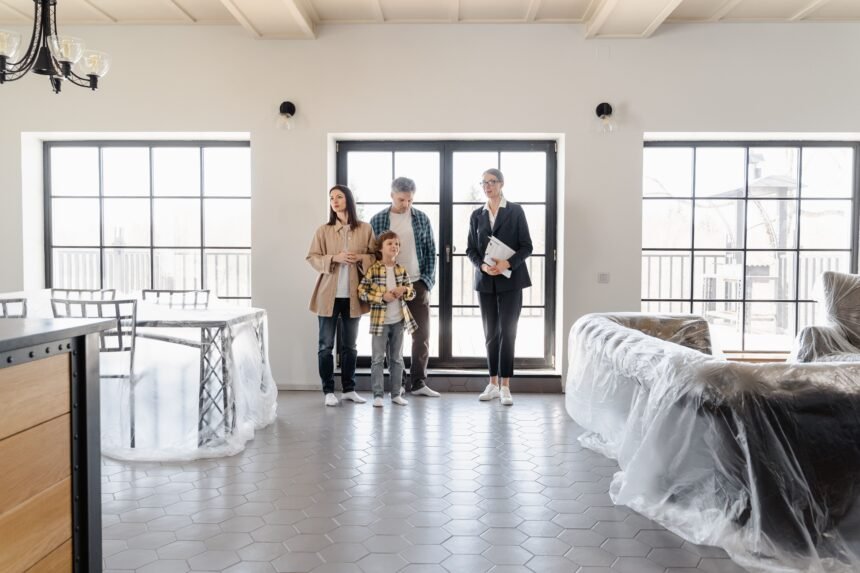
Somewhere between renting an apartment and actually owning things that need maintaining, millennial life quietly shifted. Suddenly the questions aren’t just “does this look good” but “will this still work for me in five years.”
That shift shows up everywhere, from how we dress to what we drive, and it’s worth paying attention to rather than fighting.
Dressing for a Life That’s Actually Yours
Wardrobe choices in your thirties tend to look different than they did a decade earlier, less about chasing every trend, more about building a rotation of pieces that genuinely fit your actual life. Work, weekends, the occasional dressier event, all without a closet that requires constant refreshing.
That shift toward versatility over novelty is why a lot of millennials are gravitating toward brands built around wearable, adaptable pieces rather than one-season statement items. Shopping for exactly this kind of flexible everyday style often leads people to collections like Max Studio, where pieces are designed to move between a Tuesday at the office and a Saturday brunch without feeling mismatched either way.
The Unexpected Parallel: Truck Ownership
Here’s a shift that catches a lot of people off guard: the growing number of millennials buying trucks, not for aesthetics, but because life started actually requiring one. A move, a home renovation project, weekend outdoor trips that finally became a real part of the routine.
Truck ownership brings its own version of the “will this still work for me” question. Cargo space is only useful if it’s actually protected and usable, and a lot of new truck owners learn that lesson the expensive way, after gear gets rained on or stolen from an exposed truck bed.
A folding tonneau cover solves this efficiently, adding security and weather protection without permanently altering how the bed gets used. Owners setting up a truck for real use, not just image, often look at practical, easy-to-use options like the ones from BAK Flip, since a cover that folds open in seconds fits the actual rhythm of loading and unloading gear for weekend trips or moving projects.
Why This Generation Buys Differently
Millennials, as a generational cohort, tend to research more before buying and place a higher premium on genuine utility over status signaling. That shows up in truck bed accessories the same way it shows up in wardrobe choices: a preference for things that solve a real problem over things that just look impressive.
It’s a pragmatic approach, shaped partly by tighter budgets earlier in adulthood and partly by a cultural shift away from conspicuous consumption toward intentional, useful purchases.
Building a Life That Doesn’t Require Constant Replacing
The common thread between a well-chosen wardrobe and a properly equipped truck is durability against your actual usage pattern, not against some idealized version of how you might live.
That means buying fewer things, but choosing them more carefully. A wardrobe of pieces that mix and match easily. A truck setup that protects cargo without adding complexity. Both approaches trade short-term excitement for long-term reliability.
The Financial Case for Buying Once
There’s also a straightforward financial argument here. Replacing cheap items repeatedly costs more over a few years than investing in quality once, even though the upfront price tag looks scarier.
This math applies just as much to a truck bed cover that needs replacing every year under UV exposure as it does to fast-fashion clothing that falls apart after a handful of washes. Millennials who came of age during economic uncertainty tend to be unusually attuned to this kind of long-term cost calculation.
Making Room for Both Practicality and Personality
None of this means sacrificing personal style or preference for pure function. The best version of this approach still leaves room for pieces and choices that feel genuinely like you, just filtered through a slightly more practical lens than earlier in adulthood.
A versatile wardrobe piece can still be a favorite. A well-equipped truck bed can still feel like an upgrade worth showing off to friends. Practicality and personality aren’t actually in conflict here.
Where This Generation Is Headed
As more millennials move into homeownership, parenthood, and longer-term life stages, this pattern of intentional, durability-focused buying is likely to keep expanding into other categories too. It’s less a trend than a generational shift in how value gets defined.
The Social Side of This Shift
There’s also a social dimension worth mentioning. A generation that grew up watching older relatives struggle with debt from overspending tends to talk more openly about value and cost-per-use with friends, comparing notes on what’s actually worth the money rather than quietly keeping up appearances.
That openness has changed how recommendations spread. A friend mentioning a wardrobe piece or truck accessory that’s genuinely held up over years carries more weight than an ad ever could, which is part of why word-of-mouth around durable, practical products has become so influential within this generation specifically.
Avoiding the Trap of Overcorrecting
It’s worth noting that this practical mindset can overcorrect into its own problem: becoming so focused on utility that purchases lose any sense of personal enjoyment. The goal isn’t austerity, it’s intentionality, buying less but choosing better, not simply buying the cheapest functional option every time.
Keeping a little room in the budget for pieces that are purely enjoyable, not just practical, keeps this whole approach sustainable rather than turning every purchase into a spreadsheet exercise.
Passing the Mindset Along
For millennials now raising the next generation, this practical, durability-first mindset is already shaping how they shop for their kids too, fewer disposable items, more emphasis on things that last and get handed down. It’s a small but telling sign of how thoroughly this shift in values has taken hold.
Bringing It Together
Whether it’s a wardrobe built around genuine versatility or a truck finally equipped to handle real use, the underlying instinct is the same: buy for the life you’re actually living, not the one you think you’re supposed to want. That mindset tends to save money, reduce clutter, and produce choices that actually hold up over time.