



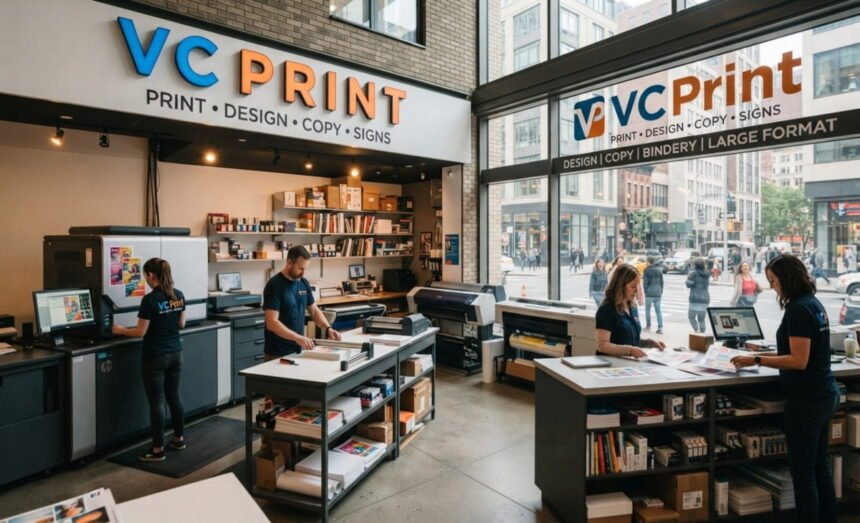
At an exhibition or business event, visitors often decide whether to approach a stand within a few seconds. An attractive backdrop may catch their attention, but the way you arrange the space influences whether they feel comfortable starting a conversation. A welcoming stand needs more than promotional graphics. It should provide a clear point of contact, allow visitors to interact naturally and make the experience feel organised rather than overwhelming.
Give Visitors a Natural Place to Start
Approaching an unfamiliar business can feel awkward, particularly in a busy exhibition hall where several companies are competing for attention. A clearly positioned reception point gives visitors somewhere to begin.
A pop up counter can serve this purpose by creating a visible interaction point at the front of the stand. Visitors can approach to ask questions, collect brochures, enquire about products or arrange a conversation with a representative.
Its position matters. Placing it directly in front of the main display may make the stand feel closed off, while positioning it slightly to one side can leave the entrance more open. This creates a natural route into the space without forcing visitors to walk around furniture or promotional equipment.
The counter should also have enough usable surface area for the activities taking place. A stand offering product demonstrations may need room for samples or a tablet, whereas a business collecting enquiries may prioritise brochures and registration materials.
First Impressions Depend on More Than Graphics
Visitors notice the overall arrangement before reading individual messages. If promotional materials are scattered across the counter, cables are visible or staff members have no clear working space, even attractive branding can lose its impact.
A tidy exhibition area communicates preparation. It also makes it easier for staff to find information during conversations.
Three details make a noticeable difference:
- Visible branding: The company name and central message should be easy to recognise.
- Clear surfaces: Keep unnecessary materials away from the main interaction area.
- Comfortable access: Leave sufficient room for visitors to approach without blocking the stand entrance.
The visual design should complement the exhibition backdrop rather than compete with it. Matching colours and typography across the counter and display panels creates a connected appearance.
Make Conversations Feel Less Formal
An exhibition stand is not simply a place to distribute printed material. It is an opportunity to understand visitor interests and introduce relevant products or services. The layout can influence how these conversations develop. A counter positioned at a comfortable standing height provides a practical surface for discussing brochures, showing product information or using a digital presentation.
However, staff should not remain permanently positioned behind it if the event involves demonstrations or informal networking. Moving around the stand when appropriate can make interactions feel more natural. A welcoming arrangement also considers visitors who want to browse without immediately speaking to someone. Keeping some promotional information accessible allows them to understand the business before deciding whether to engage.
Turn Product Displays Into Useful Conversations
Businesses exhibiting physical products often need to communicate more than their company name. Visitors may want to compare models, understand prices or identify differences between product variations. Small printed information displays can help answer these questions without requiring a staff member to explain every detail repeatedly.
For example, Shelf Edge Strips can be adapted for suitable display shelving where products or samples are arranged along the front edge. They can communicate product names, prices, short descriptions or promotional messages. This is particularly relevant for exhibitors presenting several related products within a compact space.
The information should remain concise. A short product description and a clear price are often more useful than a paragraph of technical details that visitors have little time to read.
Think About the Journey From the Aisle to the Counter
A well-organised stand should make the visitor journey easy to understand. Someone approaching from the exhibition aisle should be able to identify the business, recognise its main offering and locate the appropriate person or display.
This can be planned as a simple sequence:
Attraction: A prominent headline or product image creates initial interest.
Orientation: The layout makes it clear where visitors can browse or speak with someone.
Interaction: The counter provides a convenient point for questions, demonstrations or enquiries.
Follow-up: Business cards, brochures or QR codes give interested visitors a way to retain information.
Each stage should feel connected. If the main display promotes one service but the brochures focus on something unrelated, visitors may struggle to understand the business’s central message.
Prepare for Busy Periods and Practical Challenges
Exhibition traffic rarely remains consistent throughout the day. A stand may experience quiet periods followed by several visitors arriving together. The layout needs to accommodate these changes without creating congestion.
Keep frequently used materials within easy reach, but avoid filling the counter with items that are not needed. Spare brochures, packaging and personal belongings are better stored out of the main visitor area.
Transport and assembly are also worth considering. Fabric display counters can be useful for businesses attending multiple events because the structure is designed for repeated setup and dismantling. The fabric graphic is washable and reusable, while the complete unit can be packed for transport.
For consistent retail-style product presentation, Shelf Edge Strips can also help keep information organised when an exhibition stand includes shelving or product samples.
Conclusion
A welcoming exhibition stand is built around how visitors experience the space, not simply how it looks in photographs. Clear entry points, organised displays, accessible information and comfortable interaction areas all contribute to a more positive first impression. Businesses planning practical exhibition counters and printed display materials can find suitable options through VC Print for different event requirements.
Author Name: Nimesh Kerai
Serving as the Head of Printing at VC Print, Nimesh Kerai is a distinguished expert in the field. His remarkable technical skills, combined with his keen awareness of the latest advertising trends, have propelled the company to notable success. Over the years, Nimesh has gathered a wealth of knowledge, which he frequently imparts through engaging and informative blog posts.