



Energy-efficient homes cut running costs by needing less energy to do the same job. They typically rely on more efficient heating, cooling, and hot water systems, which don’t have to work as hard to keep the house comfortable. That means the home uses less energy overall, and the bills follow.
Yet many homeowners focus on their energy habits rather than how efficiently their home performs. Habits help, of course, but the building itself often has a bigger say in what you pay. better?
That’s something we’ve seen firsthand at Eco 4 The World, which is why we put this guide together. You’ll learn why some homes cost more to run and where the most effective opportunities for savings are.
Let’s get started.
Why Some Homes Cost More to Run Than Others
It usually comes down to how efficiently the home operates. The more energy that’s lost through the building or wasted by inefficient systems, the more it costs to run. Common causes include:

- Poor Insulation: Older homes often have little to no insulation. As a result, heating and cooling systems have to work harder, which drives up electricity and gas bills directly.
- Air Leaks and Draughts: Many people blame the weather for high heating bills when the real culprit is hiding in plain sight: air leaks. Gaps around doors, windows, and floorboards let warm indoor heat escape and outdoor temperatures creep in.
- Inefficient Appliances and Systems: Ageing heaters, air conditioners, and hot water systems draw far more power than modern equivalents to do the same job. An old electric heater, for example, can consume two to three times the energy of a modern reverse-cycle system.
Most of these issues come down to the building itself rather than the people living in it. That’s why improving its efficiency often delivers more lasting savings than simply changing how you use your appliances.
The Home Improvements That Cut Energy Costs
You don’t need to renovate your entire home to reduce household running costs. Some improvements deliver a greater impact than others, particularly those that reduce heat loss, improve system efficiency, or lower unnecessary energy use. The following upgrades are some of the most effective places to begin.
Ceiling Insulation
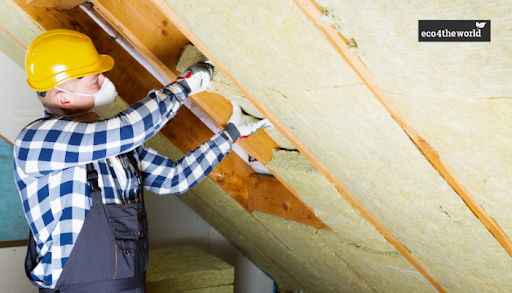
Ceiling insulation is one of the most practical upgrades for cutting energy bills over the long term. According to YourHome, it can save up to 45% on heating and cooling costs. Keep in mind that this figure applies to homes with minimal or no existing insulation.
Still, adding or improving insulation can bring down heating and cooling costs, even if you don’t see the same level of savings.
Pro Tip: Before upgrading, check the condition of your existing insulation. That way, you’ll know whether you’re topping up or starting from scratch.
Draught Sealing
Even a well-insulated home loses efficiency if warm air is still escaping through gaps around doors, windows, and floorboards. These leaks force heating and cooling systems to run longer just to hold a steady temperature. From what we’ve seen, sealing them can reduce heating and cooling costs by 10% to 15%. That’s on top of whatever savings your insulation is already giving you.
To fix it, you can fill those gaps using weatherstripping and door seals. They cost as little as $50 to $100 for a DIY job and typically last around 3 to 5 years.
Heating and Cooling Efficiency
Heating and cooling can account for 20% to 50% of energy use in Australian homes, depending on your climate zone (that’s a lot!). Cooler regions tend to sit at the higher end since heating runs for more of the year.
That doesn’t mean you should avoid heating and cooling altogether. You can just choose a more energy-efficient option, like a reverse-cycle air conditioner. They deliver around 3 to 6 units of heating or cooling for every 1 unit of electricity consumed.
But that efficiency depends on choosing the right size unit. An oversized or undersized system can perform below its stated star rating, so you should get a professional sizing assessment before buying.
Hot Water Systems
Hot water is a cost most people don’t think about until the bill arrives. In most Australian homes, it typically accounts for 15% to 25% of total household energy use. Older electric storage systems are usually to blame because they heat and reheat water around the clock.
Heat pump hot water systems cut that energy use by up to 75% compared to a standard electric storage unit. They draw warmth from the surrounding air rather than generating heat directly, which is what makes them considerably cheaper to run.
And if you’re in a sunnier part of Australia, solar hot water can push those savings even further. The trade-off is a higher upfront cost compared with a heat pump system.
You don’t need new equipment to see some savings, either. Shorter showers and cold-water washing both ease the load on your system. That means you’ll use less gas and electricity without spending a cent.
Appliances and Standby Power
That little red light on your microwave? It’s not free. Most households have several appliances drawing power around the clock, even when nobody’s using them. Switching them off at the wall costs nothing and takes seconds.
Standby power is only part of the picture, though. Older appliances can also cost more to run because they use more energy than newer, efficient models. When it’s time to replace them, check the Energy Rating label. The more stars it shows, the less energy the appliance consumes.
A fridge with a six-star rating, for example, can cost noticeably less to run each year than a three-star model of the same size.
Does Solar Actually Pay Off?
For most Australian households, yes. But it depends on your system size, daily energy habits, and how much power you use during daylight hours. When those factors line up, a rooftop solar system can cut annual electricity bills by hundreds of dollars or more.
There’s a catch, though. Solar generates the power. But if your home is losing energy through poor insulation or an inefficient hot water system, you’ll save less than you should.
Keep in Mind: Feed-in tariffs (what retailers pay for exported power) have dropped across most Australian states in recent years. That means the value of solar now comes mostly from using the power yourself during the day rather than selling it back.
Australian Rebates and Incentives Worth Knowing About
A rebate gives you money back on an eligible purchase. For solar systems and heat pumps, this often comes as a discount at the point of sale or a credit that lowers your final bill. But the exact support available depends on where you live, the system you install, and whether you meet the scheme requirements.
Australia has several rebate programmes that can help with energy-efficient upgrades. The Small-scale Renewable Energy Scheme helps reduce the cost of eligible solar and heat pump installations. Some states also offer their own support, such as Victoria’s Solar Homes Programme and New South Wales’ Energy Savings Scheme.
Making Your Home More Energy Efficient Over Time
You don’t need to tackle everything on this list at once, and honestly, trying to would probably burn you out before you finish. Start with the cheapest fixes first, since they build momentum and free up savings you can put toward the bigger upgrades later.
- Seal draughts and adjust thermostat settings first.
- Insulate your ceiling if it hasn’t been done yet.
- Upgrade heating, cooling, or hot water systems when due for replacement.
- Consider solar once your home’s baseline efficiency has improved.
Take these one at a time, and you’ll likely notice lower bills well before you’ve worked through the whole list. For more sustainability tips and green living ideas, visit Eco 4 The World.