



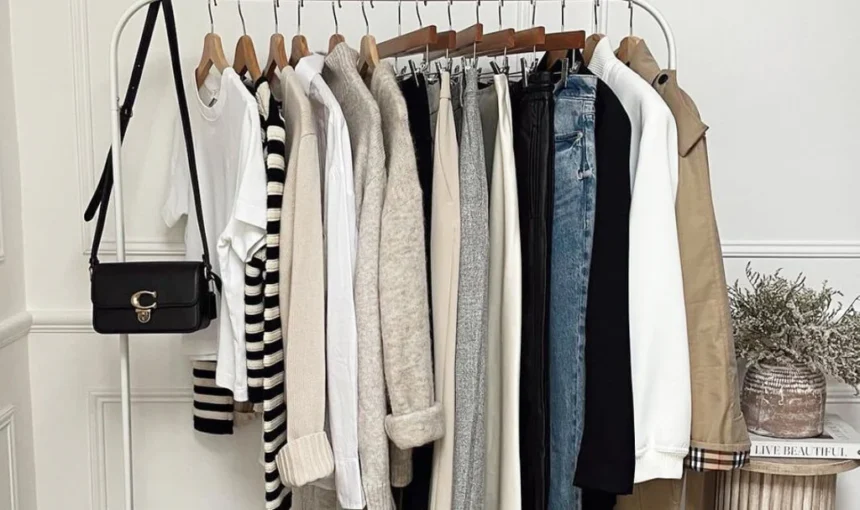
Getting dressed shouldn’t feel like a daily challenge. Yet many people stand in front of a full closet feeling like they have nothing to wear. The problem usually isn’t a lack of clothing—it’s a lack of versatile pieces that work well together. A thoughtfully planned wardrobe makes it easier to get ready each morning while ensuring you feel confident wherever the day takes you.
One of the easiest ways to create that balance is by investing in timeless essentials that offer both comfort and style. Pieces like culottes have become wardrobe favorites because they’re easy to dress up or down, provide freedom of movement, and pair effortlessly with everything from simple T-shirts to tailored blouses. Choosing clothing that adapts to different occasions allows you to get more value from every item you own.
Start With Versatile Basics
A practical wardrobe begins with foundational pieces that can be mixed and matched throughout the week. Neutral-colored tops, classic denim, lightweight knitwear, and comfortable outerwear create endless outfit possibilities without requiring an overflowing closet.
When shopping for basics, prioritize quality over quantity. Well-made garments tend to last longer, maintain their shape, and continue looking polished after repeated wear.
Choose Clothes That Match Your Lifestyle
Fashion should complement your daily routine, not complicate it. Think about how you spend most of your time before buying new clothing.
If you work in a relaxed office environment, breathable fabrics and smart-casual pieces may serve you better than highly formal attire. If your schedule includes running errands, attending meetings, and meeting friends for dinner, selecting items that transition easily between activities can simplify getting dressed.
Building your wardrobe around your actual lifestyle prevents impulse purchases that rarely leave the closet.
Stick to a Cohesive Color Palette
One reason some wardrobes feel effortless is because the colors naturally work together.
Choosing a consistent palette—such as black, white, beige, navy, gray, or earth tones—makes outfit planning much easier. Accent colors can still add personality, but keeping the majority of your wardrobe coordinated allows almost every piece to pair with another.
This approach reduces decision fatigue while maximizing the number of outfits you can create.
Comfort Doesn’t Mean Sacrificing Style
Modern fashion has moved beyond the idea that stylish clothing has to be restrictive. Soft fabrics, relaxed silhouettes, and thoughtful tailoring prove that comfort and elegance can exist together.
Look for garments that allow natural movement while maintaining clean lines. Breathable materials such as cotton, linen, and lightweight blends often provide all-day comfort without compromising appearance.
Small details like proper fit and fabric quality often have a greater impact than following every seasonal trend.
Accessorize With Intention
Accessories can completely transform a simple outfit.
Instead of buying numerous statement pieces, consider a small collection of versatile accessories that complement multiple looks. A structured handbag, comfortable loafers, classic sneakers, delicate jewelry, and a lightweight scarf can elevate everyday outfits without overwhelming them.
The goal is to enhance your style rather than distract from it.
Edit Your Wardrobe Regularly
Building a stylish wardrobe isn’t only about adding new clothes—it’s also about letting go of pieces that no longer serve you.
Every few months, review your closet and ask yourself:
- Have I worn this recently?
- Does it still fit comfortably?
- Can I style it in multiple ways?
- Does it reflect my current lifestyle?
Removing items that no longer work creates space for clothing you’ll actually enjoy wearing.
Confidence Is the Best Style Choice
Fashion trends come and go, but personal style develops over time. The most functional wardrobes are built around clothing that makes you feel comfortable, confident, and prepared for whatever the day brings.
Rather than chasing every new trend, focus on selecting versatile pieces, maintaining a cohesive wardrobe, and investing in quality garments that suit your everyday life. When your clothes reflect both your personality and your routine, getting dressed becomes less of a task and more of an enjoyable part of your day.