



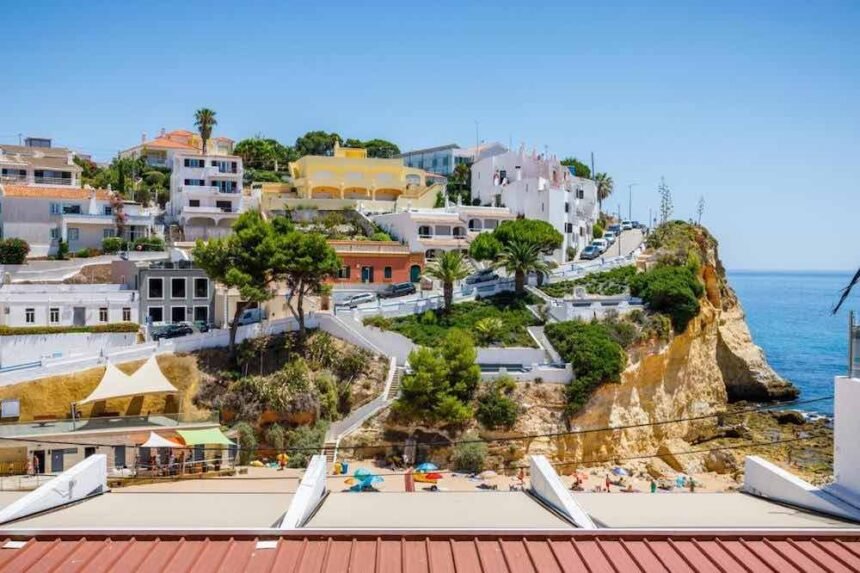
The Algarve remains one of the most searched holiday destinations in southern Europe, and in 2026 it continues to draw overseas buyers looking for a property that can earn its keep as a short-term rental. The region is not uniform, though. A villa in the hills behind Loule behaves very differently as a letting asset than an apartment two streets back from the marina in Lagos. For anyone weighing up a purchase this year, region selection is the single decision that shapes occupancy, nightly rate and the amount of hands-on management the property will demand.
The notes below are written for buyers assessing where to put their money, rather than for holidaymakers booking a week away. The distinction matters, because the features that make a place pleasant to visit are not always the features that make it a dependable earner.
The western Algarve and Lagos
Lagos and the stretch running west towards Sagres tend to attract a mix of couples, active travellers and families who want beaches, walking and a working town rather than a purpose-built resort. Demand here has a long shoulder season, with spring and autumn holding up better than in some eastern towns. Properties within walking distance of the old town and the marina generally let more consistently, and a two or three bedroom apartment in that catchment is often easier to fill across the year than a larger, more remote villa.
The trade-off is price. Central Lagos stock carries a premium, and the yield maths only works if the nightly rate and occupancy justify the entry cost. A buyer should model both, not just the headline weekly rate quoted in high summer.
The central golden triangle
Vilamoura, Quinta do Lago and Vale do Lobo sit at the top of the market. Nightly rates are high, and so are the guest expectations that come with them. A property in this catchment often needs concierge-level attention, immaculate presentation and rapid response times to hold its rating. Owners who underestimate the operational side here tend to see the gap between a strong listing and an average one widen quickly.
The quieter eastern Algarve
Tavira, Cabanas and the towns near the Spanish border offer lower entry prices and a calmer, more seasonal pattern of demand. These can work well for owners who are content with a shorter, sharper letting season and lower running costs, but the winter months are thin and should be budgeted as such.
Match the region to how the property will be run
Region choice cannot be separated from management. A remote hillside villa two hours from a manager is a different proposition from a serviced apartment ten minutes away. Owners who live abroad, which is most of them, usually find that the practical answer is to appoint a local operator early and let the region decision be informed by where reliable management actually exists. Working with an established firm such as resort rentals algarve, which manages a portfolio across the western Algarve, gives a buyer a realistic read on which catchments perform and what each one demands day to day.
One point worth flagging for 2026 buyers: many managed portfolios in the region operate on a non-pet basis, which is a deliberate positioning choice rather than an oversight. It narrows the guest pool slightly but tends to reduce cleaning turnaround problems and damage claims, and it is worth understanding a manager’s policy before assuming a property will accept every booking type.
A short checklist before committing
- Model occupancy and nightly rate across all four seasons, not just July and August.
- Weigh the entry price against realistic annual net income, after management, cleaning and maintenance.
- Check how far the nearest reliable manager is from the property.
- Confirm the local licensing position for short-term lets in that municipality before you buy.
Region is the decision a buyer cannot easily undo. Getting it right in 2026 means treating the property as an operating business from the first viewing, and choosing the area that fits both the return you need and the way the property will realistically be run.