


When investing in office equipment, one of the first decisions many organisations face is whether to lease or buy a photocopier. While the technology itself is important, the method of acquisition can have a significant impact on cash flow, operational flexibility and long-term costs.
There is no universal answer that applies to every business. Some organisations benefit from the certainty and ownership that comes with purchasing equipment outright, while others prefer the flexibility and financial advantages that leasing can provide.
By understanding the benefits and potential drawbacks of each approach, businesses can make a more informed decision that aligns with their operational goals and financial circumstances.
Why the Decision Matters
Photocopiers have evolved significantly over the past decade. Modern devices often combine printing, copying, scanning, document management and workflow automation within a single system. As a result, they are no longer viewed as simple office equipment purchases but as important components of wider business processes.
The choice between leasing and buying affects more than the initial cost. It can influence:
- Cash flow
- Technology refresh cycles
- Maintenance arrangements
- Budget predictability
- Long-term ownership costs
For this reason, organisations should consider both financial and operational factors before making a decision.
Understanding Photocopier Leasing
Leasing allows a business to use equipment for an agreed period in exchange for regular payments. Rather than making a large upfront investment, organisations spread costs across the duration of the agreement.
At the end of the lease term, businesses may have several options depending on the agreement, including upgrading, extending the arrangement or replacing the equipment.
Benefits of Leasing
Many organisations choose leasing because it can reduce the financial impact of acquiring new equipment.
Potential benefits include:
- Lower upfront costs
- Predictable monthly payments
- Easier budgeting
- Access to newer technology
- Reduced pressure on working capital
For businesses seeking to preserve cash reserves, leasing can make high-quality equipment more accessible.
Technology Refresh Advantages
Office technology evolves continuously: security features, workflow tools, cloud integration and scanning capabilities have advanced considerably in recent years. Leasing can make it easier for organisations to adopt newer technology without being tied to ageing equipment for extended periods.
This flexibility may be particularly appealing to growing businesses or organisations undergoing digital transformation initiatives.
Understanding Photocopier Ownership
Purchasing a photocopier outright gives the organisation full ownership of the device from day one. Although this usually requires a larger initial investment, there are advantages for businesses planning to use the equipment for many years.
Benefits of Buying
Purchasing equipment may offer:
- Full ownership
- No ongoing lease commitments
- Greater control over the asset
- Long-term cost certainty
- Potentially lower overall expenditure over the device’s lifespan
For organisations with stable requirements and available capital, ownership can be an attractive option.
Building Long-Term Value
Businesses that retain equipment for extended periods may find that ownership becomes increasingly cost-effective over time. Once the initial investment has been recovered through use, the device may continue delivering value without ongoing finance payments.
However, this must be balanced against maintenance costs and the risk of the technology becoming outdated.
Comparing Upfront Costs
One of the most obvious differences between leasing and buying is the initial financial commitment.
Leasing
Leasing generally requires:
- Little or no large capital expenditure
- Fixed monthly payments
- Predictable budgeting
This approach can help businesses retain working capital for other priorities such as recruitment, expansion or technology investment elsewhere.
Buying
Purchasing requires a larger upfront investment – while this may eliminate future finance payments, it can place greater strain on cash reserves in the short term. For some organisations, protecting cash flow may outweigh the potential long-term savings associated with ownership.
Flexibility and Business Growth
Business requirements rarely remain static: a company with twenty employees today may have fifty employees within a few years. Similarly, document volumes, workflow requirements and security expectations can change over time.
Leasing and Scalability
Leasing often provides greater flexibility when requirements evolve.
At the end of an agreement, businesses may find it easier to:
- Upgrade equipment
- Increase capacity
- Access additional functionality
- Adapt to changing workloads
This can be particularly valuable for organisations experiencing rapid growth.
Ownership Considerations
Businesses that own equipment may need to absorb the full cost of replacing devices if requirements change significantly. While ownership provides control, it may offer less flexibility when organisational needs evolve.
Maintenance and Support Considerations
Maintenance costs are frequently overlooked when comparing leasing and buying.
Regardless of the acquisition method, businesses should evaluate:
- Service response times
- Maintenance coverage
- Consumables support
- Repair costs
- Expected downtime
These factors can have a substantial impact on the total cost of ownership.
The Cost of Downtime
Photocopiers are often central to day-to-day operations: unexpected downtime can affect productivity, delay document processing and increase pressure on staff.
Ensuring adequate support arrangements are in place can therefore be just as important as the equipment itself.
Looking Beyond Monthly Payments
It can be tempting to focus exclusively on monthly lease costs or upfront purchase prices, but a more meaningful comparison considers the wider financial picture.
Businesses should evaluate:
- Total cost over the expected lifecycle
- Maintenance requirements
- Energy consumption
- Productivity improvements
- Technology upgrade opportunities
Taking a broader view often leads to more informed investment decisions.
What Does Asset Finance Offer?
Guidance from the British Business Bank explains that asset finance allows organisations to acquire business-critical equipment while spreading the cost over time, helping preserve cash flow and improve access to essential assets without requiring significant upfront expenditure. The guidance also notes that leasing and hire purchase remain among the most common approaches used by organisations investing in office and business equipment.
This highlights why many businesses evaluate financing options alongside the equipment itself when planning office technology investments.
Which Option Is Best?
The answer largely depends on business priorities.
Leasing may be particularly well suited to organisations that:
- Want to minimise upfront costs
- Prefer predictable monthly expenses
- Need flexibility to upgrade regularly
- Want to preserve capital
Buying may be preferable for organisations that:
- Have available capital
- Expect stable long-term requirements
- Intend to keep equipment for many years
- Prefer full ownership
Neither approach is inherently better. The right choice depends on financial circumstances, operational needs and future plans.
Making an Informed Decision
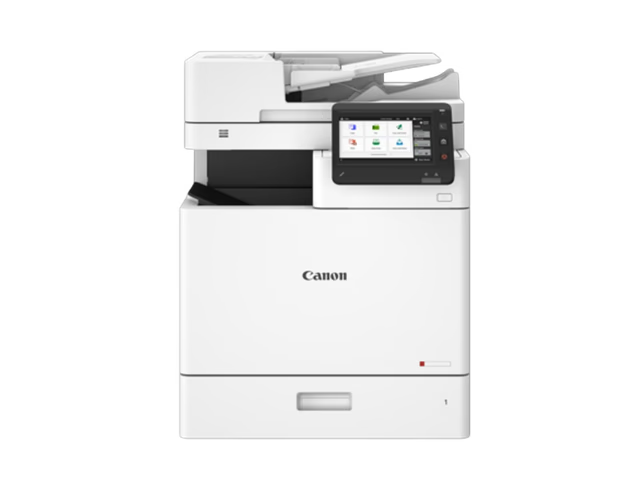
When evaluating available options, organisations should assess both the photocopier itself and the acquisition model supporting it. Businesses exploring modern photocopier solutions can review a range of devices designed to support everything from small offices to high-volume workplace environments.
Ultimately, the most successful investments are those that balance cost, flexibility, performance and long-term business objectives. By understanding the implications of both leasing and buying, organisations can select an approach that delivers value throughout the lifecycle of their equipment.