



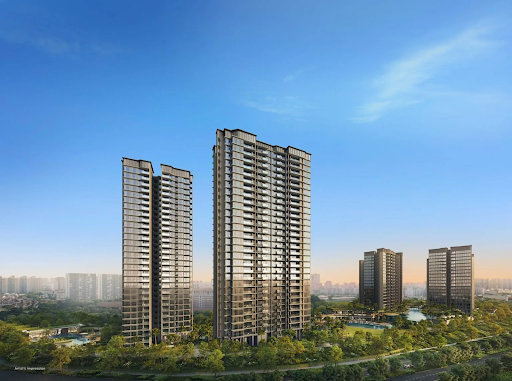
Securing a premium residential unit requires more than just financial readiness; it demands strategic negotiation skills. When you set your sights on high-end developments like the Thomson Reserve, understanding how to approach the sales team can save you thousands of dollars. Many buyers assume that property prices in luxury developments are entirely non-negotiable. While developers establish firm base prices, they often leave room for incentives, rebates, and flexible payment terms. By preparing a clear negotiation plan, you can secure a highly desirable unit under favorable terms. This guide provides actionable strategies to help you secure the best deal possible when purchasing a premium property.
Analyzing the Developer’s Pricing Strategy
To negotiate effectively, you must first understand how developers structure their pricing models. Property developers do not price all units equally; they apply premiums based on floor level, facing directions, and layout efficiency. When dealing with sales representatives, ask for the complete price list rather than just the marketing brochure. This transparency allows you to identify which units carry unjustified premiums.
Identifying Unjustified Premiums
For instance, a unit on the twelfth floor might cost significantly more than one on the eleventh floor, despite offering an identical view and layout. By pointing out these discrepancies, you create leverage to ask for a price adjustment or a waiver of certain premium charges. Furthermore, look closely at the vacancy rates of specific unit types. If two-bedroom configurations are selling slowly, the developer will be highly motivated to clear that inventory, making those units prime targets for aggressive negotiation.
Timing with Sales Cycles
Additionally, developers often have internal sales targets to meet each month or quarter. If you approach them near the end of these cycles, the sales team may be more willing to offer discounts or absorb stamp duties to close the deal. Always ask about the available payment schemes, as choosing a deferred payment plan or an expedited cash payment can alter the final purchase price. Knowing these structural details shifts the power dynamic in your favor.
Capitalizing on Timing and Market Phases
Timing plays a critical role in real estate negotiations, especially during different phases of a project launch.
The VIP Preview Advantage
During the VIP preview phase of a development like the Lucerne Grand, developers offer early-bird discounts to generate initial sales momentum. Buying during this phase typically yields the lowest absolute price, though it comes with the risk of buying off-plan. Conversely, if you miss the launch phase, look for the final remaining units of a completed project. Developers dislike holding unsold inventory because it incurs maintenance fees and ties up capital.
Targeting Unsold Completed Inventory
At this stage, they are often eager to liquidate the remaining stock, making them highly receptive to direct offers. Another excellent window for negotiation is during economic transitions or periods of rising interest rates. When market sentiment cools, buyers become scarce, and developers must work harder to attract qualified clients. By entering the showroom during these quiet periods, you position yourself as a serious, high-value buyer who can demand better terms. Keep a close eye on transaction volumes in the surrounding neighborhood to gauge when the developer might feel pressured to lower their expectations. Always monitor local property indexes. If the broader market shows signs of stabilization or slight decline, use those statistics during your face-to-face meetings to justify your lower offer.
Leveraging Comparative Market Analysis
A successful negotiation relies on hard data rather than emotional appeals. Before making an offer on a unit at Thomson Reserve, conduct a thorough comparative market analysis of the immediate area.
Analyzing Local Transaction Histories
Compare the price per square foot of the development against neighboring properties, including the Lucerne Grand. Look at recent transaction histories on public property portals to see what actual buyers paid, rather than relying solely on asking prices. If neighboring developments offer similar amenities at a lower rate, use this information as a benchmark during your discussions. Sales agents will try to justify higher prices by highlighting unique architectural features or luxury finishes.
Focusing on Tangible Metrics
Counter these arguments by focusing on tangible metrics like rental yields, historical capital appreciation, and square footage utility. Presenting a well-researched spreadsheet demonstrates that you are an informed buyer who understands the local market value. This systematic approach forces the sales team to justify their pricing with facts, often leading them to offer concessions to keep you from walking away to a competitor. Make sure to compare the maintenance fees as well. High recurring costs can significantly impact your long-term return on investment, and pointing this out can help you negotiate a lower upfront purchase price to offset those future expenses.
Negotiating Non-Monetary Concessions
When a developer refuses to budge on the official purchase price, focus your efforts on non-monetary concessions.
Seeking Indirect Financial Relief
Developers are highly sensitive about protecting their public transaction records, as lowering the official price of a unit can devalue the remaining inventory and upset previous buyers. To maintain these public price points, they prefer to offer indirect financial relief. Ask for interior design vouchers, complimentary furniture packages, or extended warranty periods on appliances and fittings. You can also negotiate for the developer to absorb legal fees, maintenance fees for the first year, or even the cost of private car parking spaces.
Securing Early Access and Upgrades
In premium properties, these add-ons can represent tens of thousands of dollars in real value. Another valuable concession to pursue is a flexible renovation timeline, allowing your contractors early access to the property before the official handover date. This approach works exceptionally well in luxury developments, where high-end finishes and appliances are standard, making upgrades and extended warranties highly valuable assets to negotiate into your final contract.
Conclusion
Negotiating a unit in a luxury development requires preparation, patience, and a deep understanding of the local property market. Whether you prefer the elegant layouts of the Thomson Reserve or the modern sophistication of the Lucerne Grand, entering discussions with data-driven insights gives you a distinct advantage. Remember that every element of a property transaction is open to discussion, from the base price to the payment schedule and interior finishes. By staying objective, understanding the developer’s financial pressures, and focusing on creative concessions, you can secure a premium home under highly favorable terms. Use these strategies to make your next property acquisition a financially sound investment.