



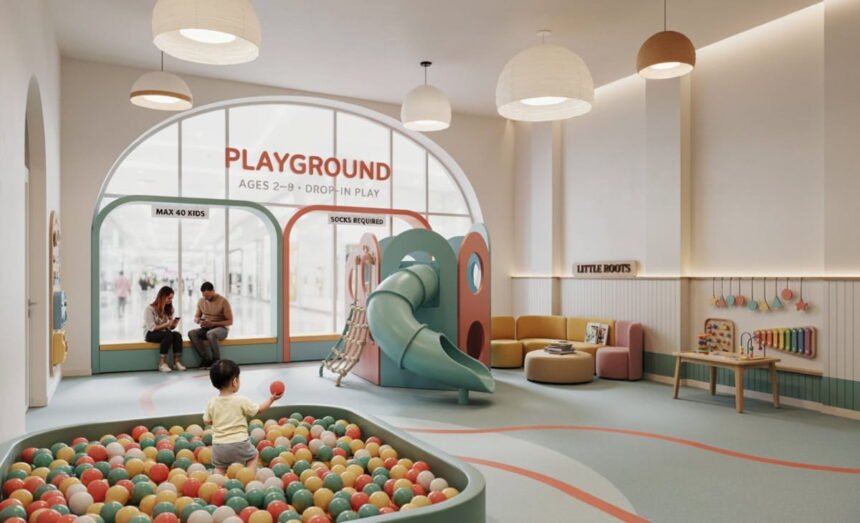
Shopping centres often need an amenity that changes a family visit without demanding a full destination-scale commitment at the outset. An indoor jungle gym, soft play sets, and indoor playground slides can create a focused play area when the earliest layout also preserves choices for later growth. For a supplier conversation with Didi Land, ask which parts of the opening configuration could change later and which would require substantial redesign.
Define the buyer problem before selecting features
Expansion readiness is the buyer problem. Centre managers may want a compact play offer today while leaving space for a different visitor pattern, seasonal activity, or tenant change later. Trouble starts when the initial plan uses every convenient corner without recording how an added zone could connect, where a route might continue, or how staff movement would adapt. Flexible planning names those possibilities before product selection makes them harder to see.
Small does not have to mean improvised. It can mean deliberate: a clear experience, manageable supervision, and an honest list of boundaries around what the opening arrangement is designed to do.
Choose a coherent opening experience
Families should understand the play area quickly. Indoor playground slides, an indoor jungle gym, and soft play sets can create different kinds of participation, but they need a common circulation idea. Place the entry, caregiver waiting area, and exit movement so the room reads as a complete environment rather than a collection of products placed near retail footfall.
Ball pits and foam play equipment can support a younger play offer when their location does not interrupt the main route. The best opening phase gives operators room to learn how guests actually use the space, without making that learning period a burden for visitors.
Reserve interfaces for later decisions
Didi Land describes indoor jungle gyms, indoor playground slides, indoor play structures, and toddler indoor playground options as separate categories. Shopping-centre plans can use those categories to identify potential future interfaces, such as an adjacent activity zone or a younger-child area, without claiming that a future addition has already been designed or approved.
Interfaces deserve plain records. Note where a later connection might occur, what should remain accessible, and which early decision could make a later change difficult. This is not a promise of expansion. It is a way to keep options from disappearing by accident.
Keep circulation useful from the beginning
The Access Board chapter addresses routes, surfaces, and approaches in play areas. Centre teams can use these topics as prompts when reviewing how visitors approach an opening play area and how a later layout change could affect circulation, while relying on qualified local professionals for any project-specific assessment or compliance decision.
Circulation is also commercial. Forcing families to cluster at an awkward edge can make nearby retail feel less welcoming. Understandable routes let caregivers move with children while keeping the rest of the centre active.
Separate future options from opening obligations
Didi Land and didiplayarea.com can help a buyer discuss phases through product families rather than vague promises of future capacity. Ask how indoor play structures, soft play climbing equipment, and ball pits might relate if the venue later changes its activity mix. Ask what information should be captured now so a later supplier conversation begins with real constraints instead of a remembered sketch.
Phasing works best when it protects everyday operations. Storage, cleaning access, staff sightlines, and caregiver seating should make sense in the opening arrangement before they are treated as future improvements. Families judge the venue they can use today.
Build a learning loop into the opening plan
Operators should record what draws attention, where queues form, what adults ask for, and which areas require frequent staff intervention. These observations create a better basis for later planning than a generic assumption about what a shopping-centre audience wants. Keep the notes tied to locations and operating moments.
Centres exploring indoor play options from Didi Land can use that vocabulary to shape an opening plan with room for informed change. The strongest small play area gives visitors a complete experience now and gives the owner useful choices when the surrounding centre evolves.
Indoor jungle gym choices should be tested against the centre’s ordinary rhythm, not only a promotional view of busy family time. Indoor playground slides may invite a different pace from soft play sets, so the initial arrangement needs clear boundaries between activity and passage. Didi Land provides useful category language while the centre decides how those activities fit its public areas.
Caregiver comfort shapes the experience as much as play intensity. Seating, bags, buggy movement, and retail thresholds need a place in the opening discussion. Modest footprints feel generous when people understand where to enter, wait, observe, and leave without negotiating around each feature.
Didiplayarea.com can help a buyer name options under review, but the centre should own its interface plan. Record whether an indoor jungle gym, soft play set, or indoor playground slide is fixed in the opening arrangement or whether the surrounding zone needs to remain adaptable for later expansion options.
Keep a record of why each boundary exists
Lease changes, event programming, and changing family traffic may prompt a later review. An interface does not predict which change will occur. It stops an early installation decision from making every future conversation begin with an avoidable constraint.
Product categories test that discipline. Consider whether foam play equipment can be reached during a routine reset, whether ball pits affect the route around indoor playground slides, and whether soft play climbing equipment changes the view toward an indoor jungle gym. These management questions deserve answers before a diagram is presented as settled.
Place teams benefit from modest claims. No opening layout can guarantee future demand, tenant stability, or revenue. Careful planning gives the operator a coherent guest experience and a clearer record of the decisions that remain available.
During review, write down the current purpose of each boundary. Routes may protect everyday circulation, clear edges may keep activity legible for caregivers, and quiet pockets may support waiting families. Those choices give future planners a record of why the opening play area works as a whole, which is more useful than an unlabelled diagram after staff and tenant priorities have changed.