



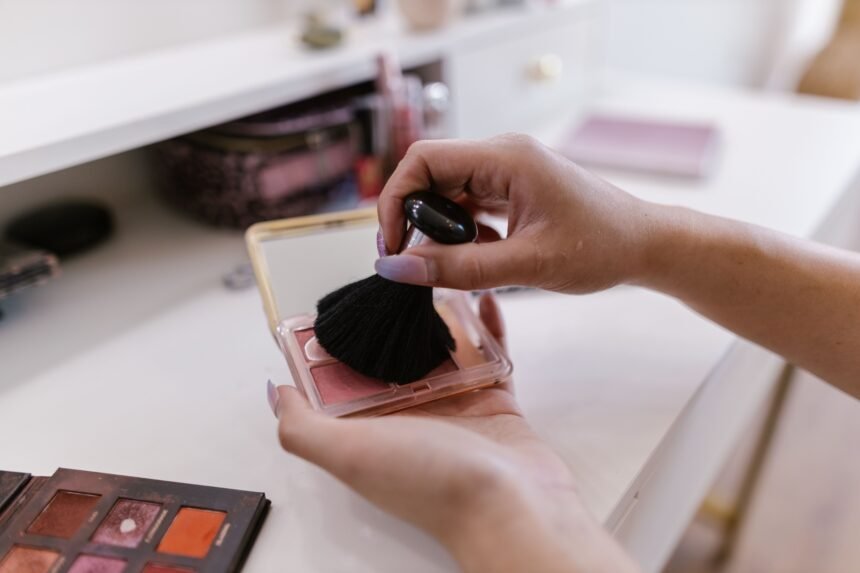
Blush has long been a staple in makeup routines, adding warmth, dimension, and a healthy-looking glow to the complexion. While traditional blush remains popular, a newer category has emerged that offers a more seamless and customizable approach to color application: transition blush. Understanding the differences between these products can help makeup enthusiasts create smoother, more cohesive looks that enhance the entire face rather than simply adding color to the cheeks.
How Transition Blush Creates a Seamless Makeup Look
Traditional blush is designed primarily to add color and definition to the cheeks. Depending on the shade and placement, it can create anything from a subtle flush to a dramatic statement. While highly effective, traditional blush is often applied as a standalone step after foundation, bronzer, or contour.
A transition blush serves a slightly different purpose. Rather than acting solely as a pop of color, it helps blend and soften the transitions between other complexion products. This creates a more natural gradient across the face, reducing harsh lines and helping bronzer, contour, and blush work together harmoniously.
The result is a polished, airbrushed effect that appears effortless and balanced. Instead of distinct areas of color, transition blush helps create continuity between different makeup elements. This technique has become increasingly popular as beauty trends continue to favor soft-focus, naturally sculpted complexions over heavily defined makeup looks.
Transition blush can also enhance dimension without overwhelming the skin. By adding subtle warmth and blending surrounding products together, it creates depth while maintaining a lightweight, skin-like appearance. This makes it a versatile option for everyday wear as well as more elevated makeup looks.
When to Use Transition Blush in Your Routine
The ideal time to apply transition blush depends on your preferred makeup technique, but it is typically used after foundation and complexion products have been applied. Many makeup artists use it between bronzer and blush to soften the boundaries between shades and create a more seamless finish.
Application tools also play an important role in achieving the desired effect. High-quality makeup tools can help blend products evenly and distribute pigment without creating harsh edges. Soft brushes are particularly useful for diffusing color and maintaining a natural appearance.
Because transition blush focuses on creating balance and cohesion, it works especially well for those who enjoy layering multiple complexion products. Whether you’re wearing a full glam look or a more minimalist makeup style, it can help unify the face and enhance overall dimension.
A fresh complexion often pairs best with hydrated lips. Finishing your routine with a moisture lip balm helps create a smooth, comfortable lip look that complements the soft, radiant effect achieved through transition blush.
While traditional blush remains an essential makeup staple, transition blush offers a unique approach to complexion enhancement. By blending colors seamlessly and creating natural-looking dimension, it helps elevate makeup application and contributes to a more refined, polished finish. For those looking to achieve a cohesive, professional-looking result, incorporating transition blush into a beauty routine can be a game-changing step.