



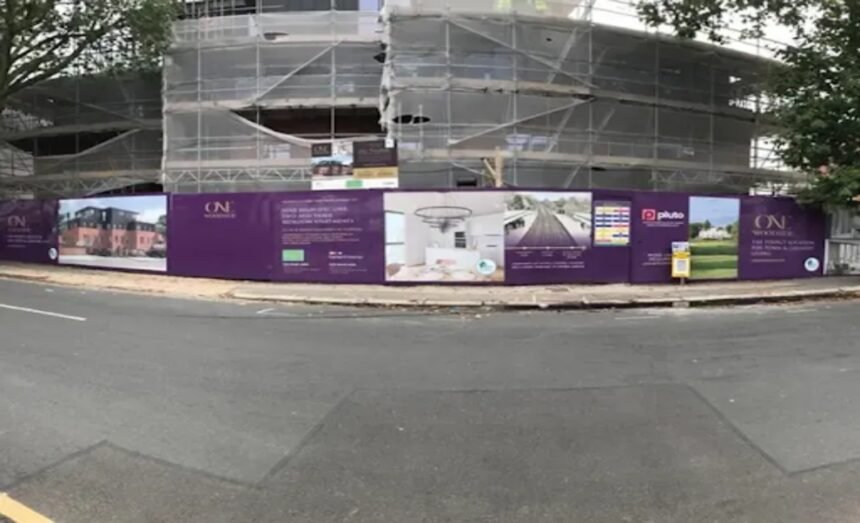
Choosing business signage often begins with a simple question: should you invest in a custom sign or choose a standard solution? While both options serve the same purpose helping customers identify and engage with your business they offer different advantages depending on your objectives, budget and timeline.
Many businesses focus on appearance or price alone, but the decision goes much further. Factors such as manufacturing quality, material selection, installation requirements and long-term durability all influence whether your signage becomes a worthwhile investment. Understanding these differences can help you choose signage that not only looks professional but also supports your brand for years to come.
Standard vs Custom Signage: What’s the Actual Difference?
Before comparing costs, lead times or materials, it’s worth understanding what separates standard signage from custom signage. While both help businesses communicate with customers and strengthen visibility, they are designed to meet different requirements.
Standard signage is produced using common sizes, layouts and materials. It is typically chosen when businesses need a practical, cost-effective solution that can be manufactured quickly without extensive design work. Standard signage is often ideal for:
- Temporary promotions
- Safety and directional signs
- Construction site boards
- Event signage
- Short-term marketing campaigns
Custom signage, on the other hand, is designed specifically for a business. Everything from the dimensions and materials to the colours, typography and finishing is tailored to reflect the company’s brand and installation requirements. It’s commonly used for:
- Shopfront branding
- Reception signs
- Office interiors
- Corporate headquarters
- Hospitality and retail environments
Neither option is automatically better. Many businesses use both, investing in custom signage for permanent branding while choosing standard signage for temporary displays or practical wayfinding. Selecting the right solution depends on how the sign will be used and the impression you want your business to leave.
The Real Cost Difference Between Custom and Standard Signage
Price is often the first consideration, but the cheapest option doesn’t always represent the best long-term value.
Standard signage generally costs less because it uses pre-determined sizes, common materials and streamlined production methods. Since fewer design adjustments are required, manufacturing is usually faster and more economical.
Custom signage involves additional planning, bespoke manufacturing and specialist finishing, which naturally increases the initial investment. However, it also provides greater flexibility, stronger branding and a more distinctive appearance.
| Factor | Standard Signage | Custom Signage |
| Initial Cost | Lower | Higher |
| Design Flexibility | Limited | Fully customised |
| Production Process | Standardised | Bespoke manufacturing |
| Brand Impact | Functional | Highly distinctive |
| Long-Term Value | Suitable for short-term needs | Excellent for permanent branding |
Rather than asking which option is cheaper, businesses should consider which solution offers the greatest value throughout the sign’s expected lifespan.
Why Some Signs Take Longer to Produce Than Others
One reason many businesses choose standard signage is speed. Because designs and materials are often readily available, production can begin almost immediately.
Custom signage usually requires additional planning before manufacturing starts. Measurements, artwork approval, material selection and production scheduling all contribute to longer lead times. For complex projects, installation planning may also form part of the overall process.
That doesn’t necessarily mean custom signage always takes significantly longer. Many experienced manufacturers streamline production through efficient workflows and modern equipment, allowing bespoke projects to be completed within surprisingly competitive timeframes.
If your business is working towards a planned opening, refurbishment or relocation, discussing timelines early with the manufacturer helps avoid unnecessary delays while ensuring the finished signage meets expectations.
The Sizing Problem Standard Signage Can’t Solve
Standard signage works well when businesses have conventional spaces and straightforward requirements. However, not every building, reception area or shopfront follows standard dimensions. A sign that is too small may go unnoticed, while one that is too large can overwhelm the surrounding space or create installation difficulties. This is where custom manufacturing becomes particularly valuable.
A professional sign manufacturer will assess the available space before recommending suitable dimensions. This ensures the finished sign complements the building, remains easy to read and creates a balanced visual appearance. Custom sizing can also improve consistency across multiple business locations, helping organisations maintain the same professional branding regardless of differences in premises.
Materials Matter More Than Most Businesses Realise
The appearance of a sign is only part of the story. The materials used during manufacturing have a direct impact on durability, maintenance and how well the signage performs over time. Selecting the right material helps ensure your investment continues to represent your business professionally, whether the sign is installed indoors or exposed to changing weather conditions.
How do different materials affect performance?
Different materials are designed for different applications, and each offers unique benefits.
- Acrylic provides a sleek, modern finish that works well for reception areas, office branding and retail environments.
- Aluminium composite panels are known for their strength and weather resistance, making them suitable for outdoor signage.
- Foamex offers a lightweight and cost-effective solution for exhibitions, promotional displays and temporary signage.
- PVC is commonly chosen for practical indoor applications where affordability and versatility are important.
A reliable sign manufacturer will recommend materials based on where the sign will be installed, how long it is expected to last and the image the business wants to project, rather than suggesting the same solution for every project.
Questions Most Businesses Forget to Ask
Many businesses concentrate on design and pricing but overlook the manufacturing process itself. Asking the right questions before production begins can help avoid unnecessary delays, unexpected costs and disappointing results.
Before placing an order, it’s worth asking:
- Will I receive a digital proof before production starts?
- Are there minimum order quantities (MOQs) for this type of signage?
- Which materials are recommended for my location?
- Is installation included or available as an additional service?
- What warranty or aftercare support is provided?
Clarifying these details early creates a smoother production process and reduces the likelihood of costly revisions later.
What Happens After Installation?
A professionally manufactured sign should continue delivering value long after installation. However, maintaining its appearance requires occasional care and regular inspections, particularly for external signage exposed to weather and environmental conditions.
Simple maintenance, such as cleaning surfaces with suitable products and checking fixings periodically, can help preserve both appearance and structural integrity. Businesses should also inspect signs for fading, scratches or minor damage so that any issues can be addressed before they become more significant.
Choosing a manufacturer that provides guidance on maintenance and ongoing support offers additional reassurance, particularly for businesses planning to keep their signage in place for many years.
A Simple Framework for Choosing Between Custom and Standard
Rather than asking which option is better, think about what your business needs your signage to achieve. The right choice often becomes clearer when you consider a few practical factors.
Consider its purpose. If the sign is intended to become a permanent part of your brand, investing in a custom solution can create a stronger and more consistent visual identity.
Think about its lifespan. Temporary promotions, seasonal campaigns and event signage often benefit from standard solutions, while long-term installations justify a more bespoke approach.
Look at the installation environment. Indoor reception areas, shopfronts and corporate offices may require a different finish and material than outdoor or high-traffic locations.
Balance budget with long-term value. While standard signage may have a lower upfront cost, custom signage can provide greater value over time through improved durability and stronger brand recognition.
By weighing these considerations together, businesses can choose signage that supports both their immediate requirements and future growth. In many cases, combining custom and standard signage offers the best balance of flexibility, performance and professional presentation.
Conclusion
Choosing between custom and standard signage is only part of creating an effective visual identity. The expertise of the manufacturer, the quality of the materials and the attention given to every stage of production all play an equally important role in achieving a professional result. By understanding your business objectives and selecting the right signage solution for each application, you can make an investment that delivers long-term value. Whether you require bespoke branding or practical business signage, Sign Company London provides professionally manufactured signage solutions designed to combine quality, durability and lasting visual impact.
Author Bio: Nimesh Kerai
Nimesh Kerai serves as the Printing Head at the Sign Company in London. Utilising his technical aptitude and the trait of keeping up with the latest technological advancements, he has been able to deliver top-notch quality prints and signage to sou customers consistently. This has cemented the Sign Company as one of the most sought-after signage companies in London. He consistently shares his insights with the masses by means of useful and intriguing blogs.